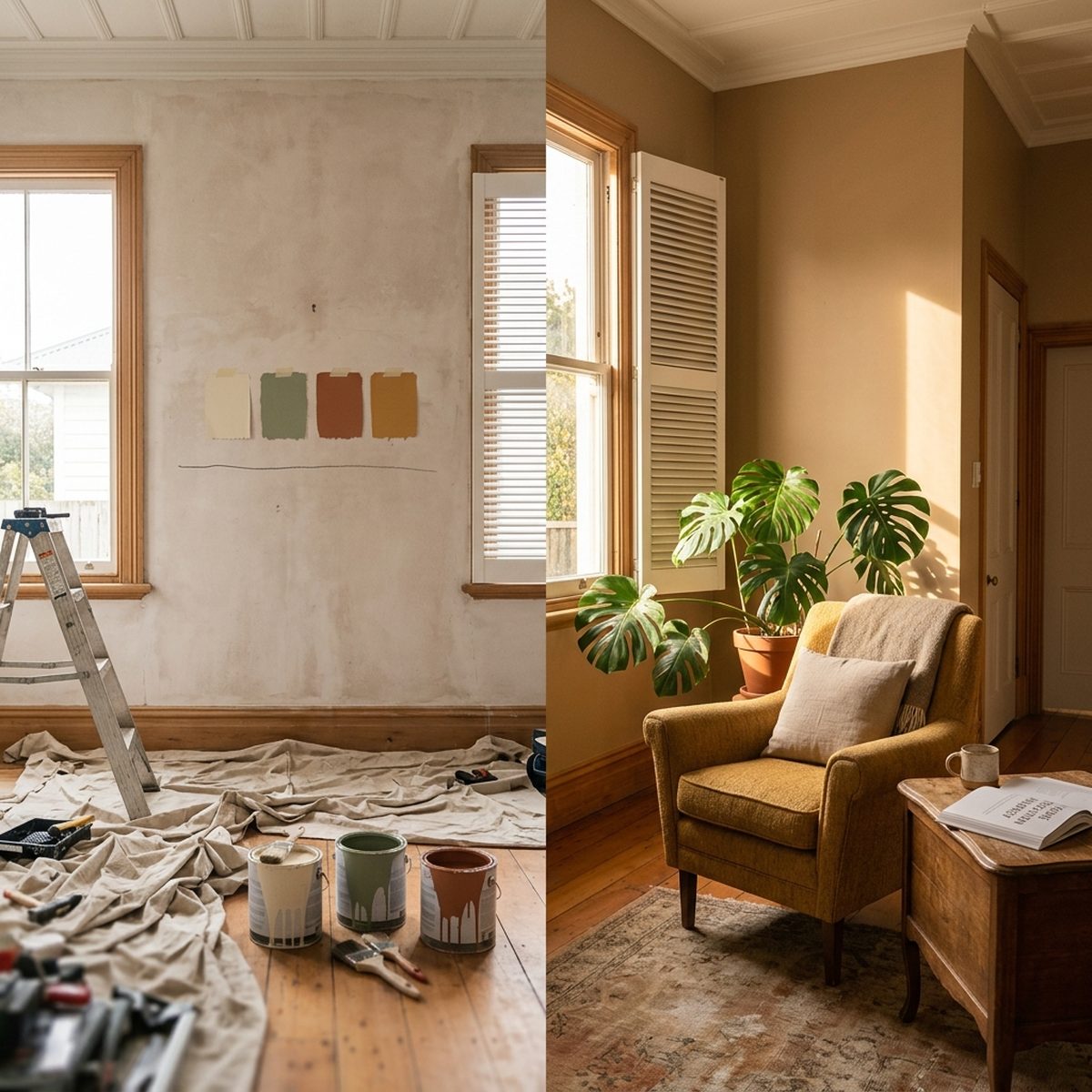


Three-quarters of homeowners express dissatisfaction with their completed renovation projects. This widespread feeling often stems from a disconnect between a home’s technical performance and its aesthetic harmony. The most successful upgrades for the coming year will not merely swap an old appliance for a new one. They will integrate serious performance improvements with a coherent personal style, creating a home that functions brilliantly and feels authentically yours. This fusion protects your financial investment and enhances daily wellbeing, turning technical specifications into personal satisfaction.
Why Your Design DNA is the First Upgrade
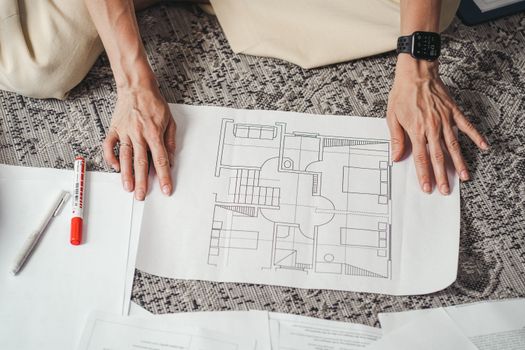
Before selecting any fixture or material, you must understand your own design personality. Installing a heat pump water heater is a technically sound decision. However, if you later remodel the bathroom because its style clashes with your core aesthetic, that investment is partially wasted. The principle of net zero energy buildings extends beyond technology. It advocates for a holistic environment that minimises waste, including the financial and emotional cost of mismatched design choices. A clear understanding of your design DNA informs every subsequent decision, from window placement to finish selections, creating a unified vision. This clarity prevents the common cycle of regret and rework, a process that can consume nearly 30% of a project’s total budget. Investing in this self-knowledge is a foundational efficiency measure, ensuring every dollar spent on physical improvements delivers maximum utility and joy.
Core Physical Upgrades for Maximum Impact
Your home’s physical components provide the most direct route to lower energy consumption and superior comfort. Prioritising the building’s shell and core systems yields the most significant long-term benefits.
The Critical Role of the Building Envelope
Consider your home’s envelope as its protective skin. Upgrades here directly improve comfort and reduce costs. **Building envelope sealing** is the essential first task. It involves plugging draughts around windows, doors, and service penetrations. Following this, installing high-performance insulation in walls, roofs, and floors creates a stable thermal barrier. Together, these measures prevent conditioned air from escaping, which drastically reduces the workload on your heating and cooling systems. For homeowners seeking the highest standard, principles from **passive house standards** offer a rigorous framework. These standards emphasise exceptional airtightness, superior insulation, and construction free of thermal bridges to achieve remarkable energy savings with minimal need for mechanical heating.
Smart Systems Integration
Modern home systems do more than function; they adapt and optimise. Smart building automation allows you to manage lighting, climate, and security from a single interface. These systems can learn your habits to avoid energy waste. Pair this technology with a full LED lighting retrofit for immediate reductions in electricity use. For air quality and efficiency, an energy recovery ventilation (ERV) system is a standout upgrade. It continuously exchanges stale indoor air for fresh outdoor air, transferring heat and moisture in the process. This provides fresh air without the substantial energy penalty of heating or cooling it from scratch, a vital feature in a tightly sealed home.
|
Upgrade Category |
Key Benefit |
Approximate Cost Range (NZD) |
Long-Term Payback |
|---|---|---|---|
|
Building Envelope Sealing & Insulation |
Eliminates draughts, stabilises indoor temperature |
$2,000 – $15,000+ |
High (3-7 years) |
|
Smart Thermostat & Lighting Automation |
Reduces heating/cooling & lighting waste automatically |
$500 – $3,000 |
Medium (2-5 years) |
|
Heat Pump Water Heater |
Cuts water heating costs by 60-75% |
$2,000 – $4,500 |
High (4-8 years) |
|
Solar Panel Integration |
Generates your own renewable electricity |
$8,000 – $20,000+ |
Medium-High (7-12 years) |
Aligning Technology with Your Aesthetic Vision
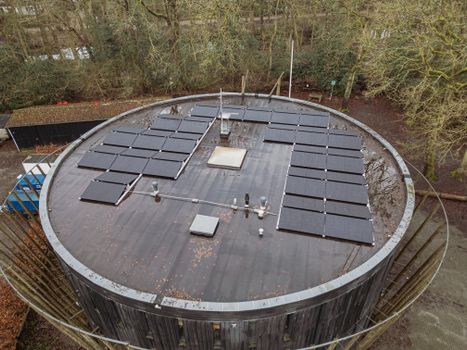
Efficiency need not compromise beauty. Contemporary products are designed to integrate seamlessly into diverse styles. Solar panel integration has evolved. Bulky rooftop additions have given way to sleek, frameless designs and solar roof tiles that mimic traditional materials like slate or terracotta. Similarly, green roofing systems can serve as a lush, living extension of a garden-focused design, providing natural insulation and managing stormwater runoff. The key is to treat these elements as integral parts of your design brief from the beginning. When you discover your unique home design personality, you gain the confidence to specify a stylish heat pump that complements your bathroom’s aesthetic or to choose elegant LED fixtures that function as both art pieces and energy misers. This harmony between performance and personality is what transforms a house into a true haven. For instance, a homeowner with a minimalist style might opt for discreet, ceiling-mounted ERV vents, while someone with an industrial aesthetic could choose exposed, polished ductwork as a feature.
Planning Your Upgrade Pathway for 2026
A successful whole-home efficiency strategy requires thoughtful staging. Begin with a professional energy audit to identify the biggest losses, which are often found in old insulation, leaky windows, or an inefficient hot water cylinder. Prioritise the envelope first. Sealing and insulating makes every subsequent system more effective and can allow for smaller, less expensive mechanical systems. Next, upgrade core mechanical systems like space heating, cooling, and ventilation. Finally, consider adding renewable generation, such as solar panels. Throughout this process, your clarified design vision acts as a filter. It ensures each technical choice supports the look and feel you want to live with. This methodical approach, grounded in self-knowledge, prevents piecemeal decisions and leads to a cohesive, high-performance home. For many, starting with a guided online course before renovation provides the structured framework needed to build this plan confidently. A staged plan also helps with budget management, allowing you to phase costs over several financial years while maintaining a clear overall direction.
Beyond Bills: The Holistic Payoff of an Efficient Home
The benefits of these upgrades extend far beyond quarterly power bills. A home with a tight envelope, balanced ventilation, and managed solar gain offers consistent comfort. Cold corners and stuffy rooms become a thing of the past. This stable environment also improves indoor air quality and acoustic comfort by reducing external noise infiltration. The financial savings generated can be redirected into life’s other pleasures or future projects. On a deeper level, living in a space that reflects your true design personality and performs intelligently delivers a daily boost to your emotional wellbeing. It is the definitive antidote to renovation regret. You create a resilient home prepared for future climate and economic shifts, a personal sanctuary that aligns with your values. This deep, lasting satisfaction represents the ultimate return on your investment. Studies, such as those from the New Zealand Green Building Council, also indicate that homes with superior performance ratings can see a measurable increase in capital value, further solidifying the financial logic behind the initial outlay.
Frequently asked questions
What is the most cost-effective energy efficient upgrade I can make?
Draught stopping and building envelope sealing consistently offer the fastest payback. Simple measures like weather-stripping doors, sealing gaps around pipes, and adding thermal-lined curtains can cost little but significantly reduce heating demand. Following this, a professional LED lighting retrofit dramatically cuts electricity use for lighting, often with a payback period under two years. According to EECA (Energy Efficiency and Conservation Authority), addressing draughts can reduce a typical home’s heating costs by up to 20%.
Do I need to aim for a net zero energy home to see benefits?
Absolutely not. While net zero energy buildings represent the pinnacle, every incremental upgrade contributes. Focus on your home’s specific weaknesses, whether that’s old windows, poor insulation, or an inefficient hot water system. Each improvement reduces your energy use, bills, and environmental footprint, moving you closer to a more comfortable and sustainable home without requiring an all-or-nothing approach.
How do I choose efficient products that match my interior style?
This is where understanding your personal design style is essential. With a clear design brief, you can source products that fit both technical and aesthetic criteria. For example, you can select heat pumps with sleek, minimalist casings, choose decorative LED pendants, or opt for discreet underfloor heating. Manufacturers now offer a wide range of styles to suit modern, classic, or rustic interiors. Many suppliers provide sample finishes or custom colour options for items like ventilation grilles and smart thermostats.
Can I implement smart home automation gradually?
Yes, modern smart home systems are designed for scalability. You can start with a smart thermostat and a few smart light bulbs, then expand to include plugs, blinds, and security sensors over time. Choose a system based on an open standard like Matter or a widely supported proprietary ecosystem for maximum future compatibility. This allows you to spread the cost and complexity while immediately benefiting from automated scheduling and remote control via your smartphone.
Will these upgrades increase my home’s value?
Yes, documented energy efficiency upgrades are increasingly valued in the property market. Buyers appreciate lower operational costs, improved comfort, and modern, well-maintained systems. Features like solar panels, high-performance insulation, and smart home features can make your home more attractive compared to similar, less-efficient properties, potentially shortening sale time and supporting a higher asking price. A recent report from QV in New Zealand noted that sustainable features are becoming a more prominent factor in buyer decisions, particularly among younger demographics.