
A 2021 study published in the Personality and Social Psychology Bulletin found a direct link between a cluttered home environment and increased levels of the stress hormone cortisol. For homeowners planning a renovation, this connection transforms tidiness from a chore into a critical component of wellbeing. The most effective design strategies to reduce clutter stress in 2026 do not rely on clever storage alone. They require intentional design choices that align your physical space with your psychological needs, converting chaos into sustained calm.
The Psychological Cost of a Cluttered Home
Our surroundings exert a powerful influence on our mental state. A disordered room bombards the brain with excessive visual stimuli, elevating cognitive load. This persistent, low-grade stress often results in decision fatigue, heightened irritability, and a nagging sense that your environment is never quite right. Many homeowners complete a renovation only to feel a lingering dissatisfaction because they treated the symptoms of clutter without curing the disease of poor spatial design. Building a genuinely restorative home requires a fundamental shift from concealing possessions to creating systems that inherently prevent clutter from taking hold.
The objective is to minimise the mental effort needed to manage your living space. Reducing cognitive load must become a primary design goal. Through deliberate spatial organisation methods, you can craft a home that supports your daily life rather than complicating it. This process starts with a clear understanding of your personal habits and needs, which a structured approach to discovering your design DNA provides.
Core Design Strategies to Reduce Clutter Stress in 2026
Contemporary home design prioritises simplicity, intentionality, and personal resonance. The following strategies represent enduring principles for fostering domestic peace, not fleeting decorative trends.
Embrace Minimalist Design Principles with Purpose
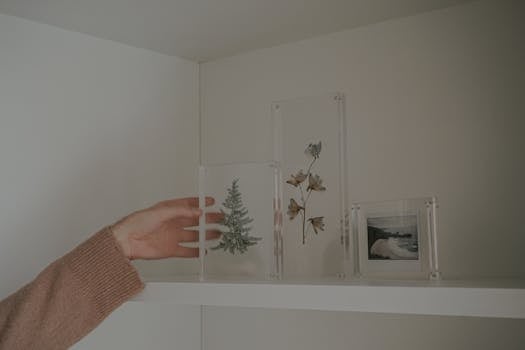
Minimalism is frequently misunderstood as austere or impersonal. Applied correctly, minimalist design principles concern curation and value. They involve keeping only items that serve a purpose or spark genuine joy, and ensuring each has a designated place. This methodology cuts visual noise and physical clutter substantially. Begin by evaluating what you truly need and love. A considered edit of your belongings, informed by your personal aesthetic, forms the essential first step toward a more tranquil space. This practice is central to mindful interior design, where every object is selected with clear intent.
Master Spatial Organisation Methods
Intelligent storage forms the skeleton of a clutter-free home. Spatial organisation methods surpass simply purchasing containers. They involve analysing how you actually use a room and tailoring storage to fit those specific routines. Consider creating zones: a dedicated charging station near the entry for keys and devices, built-in cabinetry to hide kitchen gadgets, or under-bed storage designed for easy retrieval. The goal is to make returning items to their place simpler than leaving them out. This functional simplicity reduces daily friction and helps maintain order with less effort.
Optimise Visual Hierarchy for Calm
Visual hierarchy optimisation steers the eye gently around a room, avoiding a sense of visual assault. Achieve this by grouping related items, employing consistent colour schemes, and establishing deliberate focal points such as a artwork or a tranquil window view. By controlling where attention rests, you cultivate a calming aesthetic that feels restorative, not chaotic. For example, a living room with a streamlined media unit that conceals cables and displays a few considered objects feels far more soothing than an entertainment centre crammed with electronics and knick-knacks.
Design for Functional Simplicity in Every Room
Each room should possess a single, clearly defined primary function. Multi-purpose rooms frequently become dumping grounds for miscellaneous clutter. Define your space’s core purpose and remove anything that does not serve it. A home office, for instance, should be dedicated solely to work, not double as a spare bedroom or storage area. This clarity embodies functional simplicity. It makes decisions about what belongs where almost instinctive, thereby lowering stress markedly. This principle proves particularly effective when applied to [link: ergonomic workspace solutions], where comfort and efficiency are critical.
Apply the Tenets of Mindful Interior Design
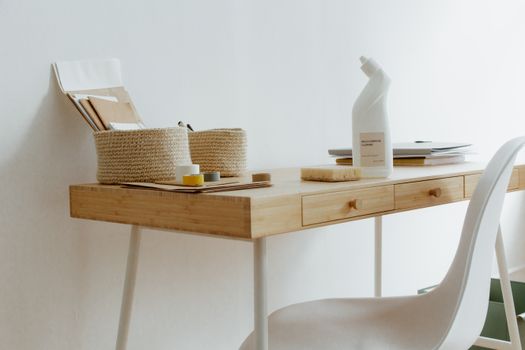
Mindful interior design encourages you to weigh the emotional impact of every selection. From the texture of upholstery to the ease of movement through a room, each component should contribute to an atmosphere of peace. This could mean selecting natural materials that develop a beautiful patina over time, maximising natural light, or arranging furniture to foster conversation rather than create barriers. It is about crafting a home that feels authentically aligned with you, which naturally diminishes the impulse to accumulate dissonant, stress-inducing items.
Implement Ergonomic Workspace Solutions
As remote work endures, the home office remains a crucial zone for clutter-related stress. Ergonomic workspace solutions merge physical comfort with superior organisation. A well-planned desk with integrated cable management, adjustable shelving within easy reach, and appropriate lighting all work to reduce physical strain and visual disorder. When your workspace is both efficient and personalised, it bolsters concentration and lessens the cognitive burden associated with disorganised work environments.
Putting It All Together: A Practical Action Plan
Knowing these strategies is the first step; applying them cohesively is the next. The table below details a phased approach to integrating these principles into your renovation or makeover project, ensuring a systematic reduction of clutter stress.
| Phase | Key Action | Design Strategy Applied | Expected Outcome |
|---|---|---|---|
| 1. Discovery & Edit | Audit room usage and declutter possessions. | Decluttering techniques, Minimalist design principles | Clear inventory of needs and items; reduced physical volume. |
| 2. Planning & Zoning | Define room functions and plan storage zones. | Spatial organisation methods, Functional simplicity | A detailed layout that supports daily routines without friction. |
| 3. Design & Specification | Choose materials, colours, and furniture that unify the space. | Visual hierarchy optimization, Calming aesthetics | A cohesive design scheme that feels intentional and restful. |
| 4. Implementation & Refinement | Install solutions and adjust based on lived experience. | Mindful interior design, Ergonomic workspace solutions | A fully functional, personalised space that actively reduces cognitive load. |
This structured plan helps prevent feeling overwhelmed. Its success, however, depends on one vital factor: self-knowledge. Without understanding your personal style and habits, you risk imposing an external system that will likely fail over time. For instance, a family that thrives on shared activities might find a rigid, ultra-minimalist layout stifling, whereas a system with dedicated zones for hobbies and communal projects would sustain order.
How Knowing Your Design DNA Transforms the Process
This is where generic advice meets personalised application. The most potent design strategies to reduce clutter stress are those rooted in your unique preferences. If you love vibrant colour but impose a stark, neutral palette, you may later introduce colourful clutter to compensate for the lack of energy. If you process information visually but install only closed storage, you will waste time searching for items you cannot see.
Our unique home design personality course operates on this precise principle. It leads you through a process of uncovering your Design DNA, your innate responses to colour, pattern, texture, and spatial layout. Armed with this clarity, every decision about storage, furniture, and room flow becomes confident and correct. You are not chasing trends; you are building a home that resonates with your identity. This upfront investment, explored in our review of the investment in your design brief, directly addresses the industry’s high rework rates by ensuring your initial design choices are authentic and lasting.
Consider the result: a home where every object has a logical place because you designed those places intentionally. The stress of clutter recedes because the systems you implement feel like a natural extension of your lifestyle. This harmony between person and place is the core objective of reducing cognitive load through design. It transforms your home into a genuine sanctuary that supports your emotional wellbeing every day.
From Overwhelm to Owned: Your Next Step
The path to a home free from clutter stress in 2026 begins with a changed perspective. It is not defined by a single weekend purge or the purchase of more containers. It is about adopting a design-led mindset that prizes space, light, and function as highly as aesthetics. By weaving together minimalist principles, spatial intelligence, and a deep understanding of your own design personality, you cultivate an environment that nurtures lasting calm.
The strategies detailed here offer a robust framework. To apply them with true confidence and avoid the expensive mistakes that lead to renovation regret, grounding them in your personal design identity is non-negotiable. Discover how a structured design personality and emotional well-being process can provide the clarity needed to build a home that not only looks appealing but feels profoundly and personally right.
Frequently asked questions
What is the first step to reducing clutter with design?
The initial step is assessment, not immediate action. Before discarding items or buying storage, observe how you and your household use the space. Identify specific pain points and where clutter consistently accumulates. These insights, combined with an understanding of your personal style gained through a design discovery process, inform all successful spatial organisation methods.
Can these design strategies work in a small home?
Yes, they can be even more vital in compact spaces. Functional simplicity and visual hierarchy optimisation are particularly important. Selecting multi-functional furniture, utilising vertical storage walls, and maintaining a light, cohesive colour palette can make a small area feel more spacious and orderly, thereby directly alleviating clutter stress.
How does knowing my ‘Design DNA’ help with clutter?
Your Design DNA reveals your inherent preferences for organisation, colour, and texture. If you understand that you rely on visual cues to remember item locations, you will likely design with open shelving instead of solid cupboard doors. This self-knowledge ensures your decluttering systems and storage solutions align with how your mind works, making them sustainable and inherently low-stress.
Is minimalist design the only way to reduce clutter stress?
Not at all. Minimalist design principles are one effective tool among many. The fundamental aim is intentionality. A maximalist space filled with cherished, well-displayed collections can be equally low-stress if it is thoughtfully curated and systematically organised. Stress arises from disorganisation and items that feel out of place, not necessarily from the quantity of possessions.
How long does it take to see a reduction in stress after redesigning?
The psychological relief can be noticeable almost immediately once a chaotic area is brought into order. However, the enduring reduction in clutter stress stems from maintaining the new systems over time. When your home’s design aligns seamlessly with your habits, a core tenet of mindful interior design, the daily upkeep feels intuitive, securing long-term calm and functionality.