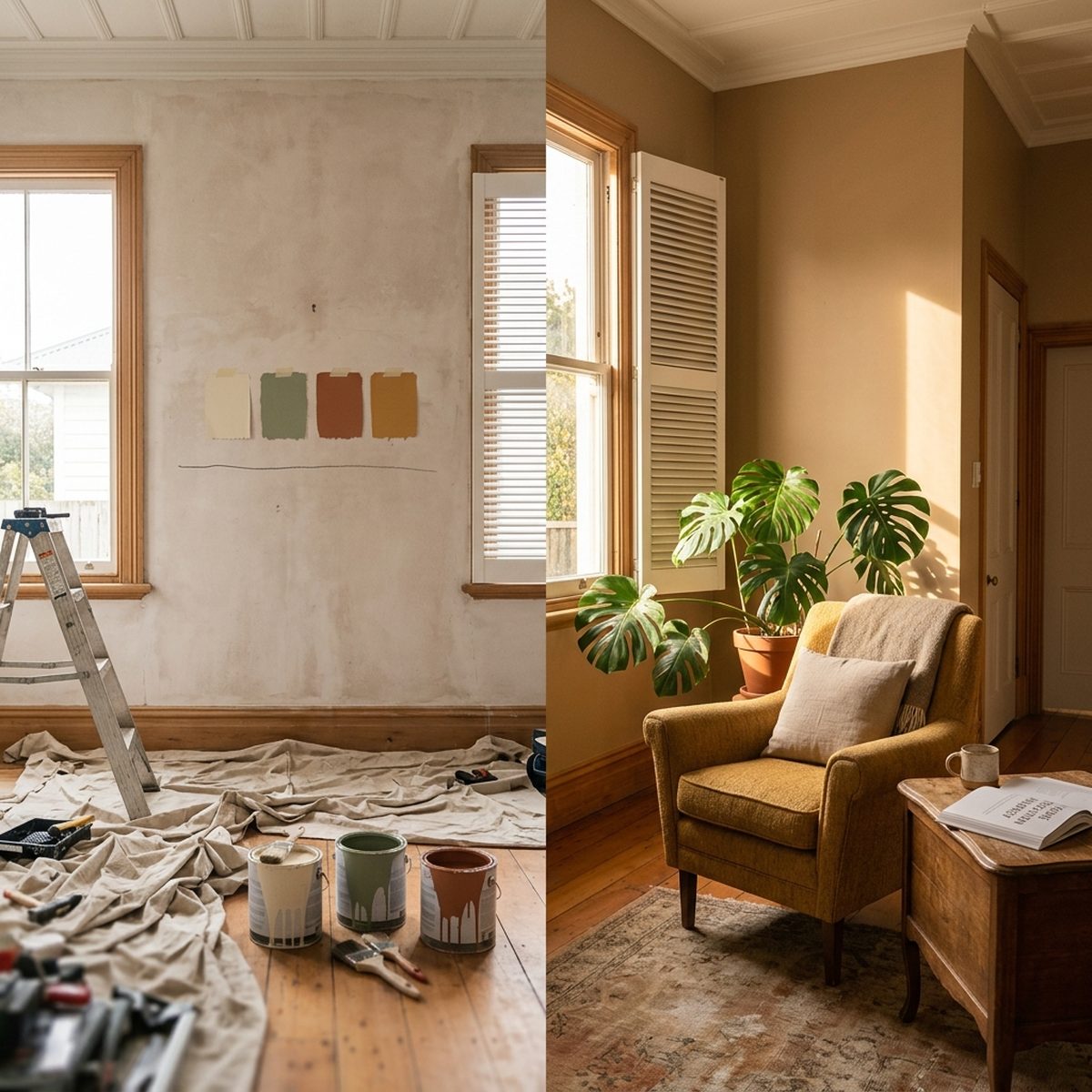


Selecting the wrong paint sheen can make a freshly painted room look tired in weeks. The finish you pick affects durability, light reflection, and how colors appear. This guide will help you master choosing paint sheens for a beautiful, long-lasting result.
What Paint Sheen Means for Your Walls
Paint sheen refers to how shiny or reflective a dried paint film is. This gloss level is measured in units from flat to high-gloss. Higher sheen paints have more resin and less pigment. They are harder and more washable. Lower sheen paints have more pigment and less resin. They hide surface flaws better but stain easily.
Light interacts differently with each sheen. A flat finish absorbs light, while a gloss finish reflects it. This changes how you perceive color and space. Choosing paint sheens is not just about aesthetics. It is a practical decision that impacts maintenance and room feel.
A Detailed Guide to Common Paint Finishes
Paint brands use various names for sheens. The core categories are flat, eggshell, satin, semi-gloss, and gloss. Some lines offer variations like matte, pearl, low-luster, or velvet. Here is what each one offers.
Flat and Matte Paint
Flat and matte finishes have almost no shine. They provide a rich, velvety appearance that is currently popular. These paints are excellent at hiding imperfections on walls and ceilings. However, they are not very durable. Cleaning can rub off the finish or cause shiny patches. Use flat paint in low-traffic areas like adult bedrooms or formal dining rooms.
Eggshell and Low-Luster Paint
Eggshell has a subtle, soft glow similar to the surface of an egg. Low-luster is a similar category. This sheen has a slight reflectivity, more than flat but less than satin. It offers a good balance of aesthetics and function. Eggshell is more washable than flat paint. It resists stains better. It is a safe, popular choice for living rooms and hallways.
Satin and Pearl Paint
Satin finish has a gentle, pearl-like luminescence. It is smooth and slightly shiny. Pearl is often another name for a mid-sheen, sometimes between satin and semi-gloss. Satin paint is very durable and easy to clean. It works well in spaces that see moisture or frequent use. Think family rooms, kids’ bedrooms, and kitchens. Its reflectivity can highlight wall textures or application flaws.
Semi-Gloss Paint
Semi-gloss paint has a noticeable shine. It is highly resistant to moisture, stains, and wear. This makes it ideal for trim, doors, and cabinets. In rooms like bathrooms and kitchens, semi-gloss on walls handles humidity and splashes. The reflective quality makes colors appear brighter and more vibrant. Be aware that it shows every bump and brush stroke on large wall surfaces.
Gloss and High-Gloss Paint
Gloss and high-gloss paints are the shiniest options. They create a sleek, almost glass-like surface. High-gloss is extremely tough and wipeable. It is best used on trim, furniture, or doors for a dramatic effect. In modern interiors, you might see high-gloss feature walls. This sheen requires perfectly smooth surfaces. Any imperfection will be glaringly obvious under the light reflection.
How to Select Sheens for Each Room
Your room’s function, traffic, and lighting should guide your choice. Here is a practical room-by-room breakdown for choosing paint sheens.
Living Rooms and Dining Rooms: These moderate-traffic areas benefit from an eggshell or satin finish. Eggshell offers a sophisticated look that hides minor flaws. Satin provides easier cleaning for homes with children or pets. Flat or matte paint can work in formal spaces with little activity.
Bedrooms: For a calm, cozy retreat, flat or matte paint is often preferred. It reduces light glare. In children’s bedrooms, consider a satin finish for its washability. Ceilings in all rooms typically use a flat sheen to minimize visibility.
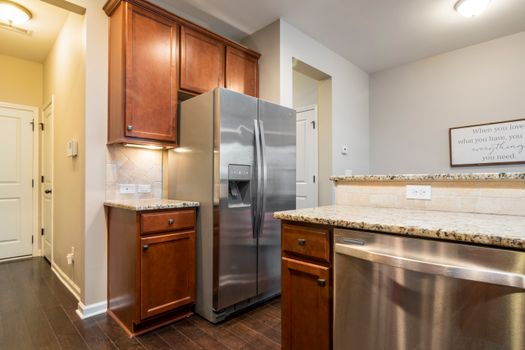
Kitchens and Bathrooms: These high-moisture areas demand durable paint. Satin or semi-gloss are the top choices. Semi-gloss on cabinets and trim makes cleaning simple. For walls, satin provides enough protection without being too shiny. Avoid flat paints here as they can mold and stain.
Hallways, Stairways, and Entryways: These high-traffic zones need tough paint. Satin is the most common recommendation. It withstands frequent cleaning from scuffs and fingerprints. Some people use semi-gloss for extra durability, but the shine can be overwhelming in long hallways.
Trim, Doors, and Windows: Semi-gloss or gloss paints are standard. The hard finish resists dings and is easy to wipe down. The shine adds definition and contrasts nicely with wall colors. High-gloss can be used for a bold, contemporary statement.
Practical Tips for Testing and Application
Always test your sheen choice before painting the entire room. Paint a large sample, at least two feet square (600 x 600mm) on the wall. Observe it at different times of day under both natural and artificial light. The sheen will look different in bright sunlight versus evening lamp light.
Consider your wall’s condition. If you have textured walls or old plaster with cracks, a flat or eggshell finish will disguise these issues. Smooth, new drywall (Gib) can handle any sheen. Preparation is key for glossy paint. They require sanding and priming for a flawless result.
Remember that darker colours often appear more intense in higher sheens. A deep blue in semi-gloss will feel richer but also show more application marks. Using the same colour in different sheens for walls and trim can create a sophisticated, monochromatic look.
For a cohesive home design, your paint sheen decisions should align with your overall style. Understanding these fundamentals can prevent expensive rework. If you feel unsure about how finishes fit into your larger renovation plan, consider professional guidance. An online course like Craft Your Home: Design Personality Course can provide clarity before you start painting.

Your Next Step Toward a Beautiful Home
Choosing paint sheens is a critical detail in any decorating project. It bridges the gap between color choice and practical living. The right sheen protects your investment and enhances your daily life. Do not let this decision be an afterthought.
If you are planning a renovation, look at the bigger picture. Your paint choices should reflect your personal style and how you use your home. For many homeowners, gaining confidence in these decisions is the first step. Exploring your Design DNA Home Transformation: Your Unique Personality ????✨ can help you make choices that last. You can also read about the value of preparation in Should I Take An Online Course Before Starting My Next Renovation/Room Makeover? – Creating Design Clarity.
Start with sample pots. See how light plays on flat, satin, and semi-gloss finishes in your own space. Then, move forward with confidence, knowing your home will look exactly as you envisioned.