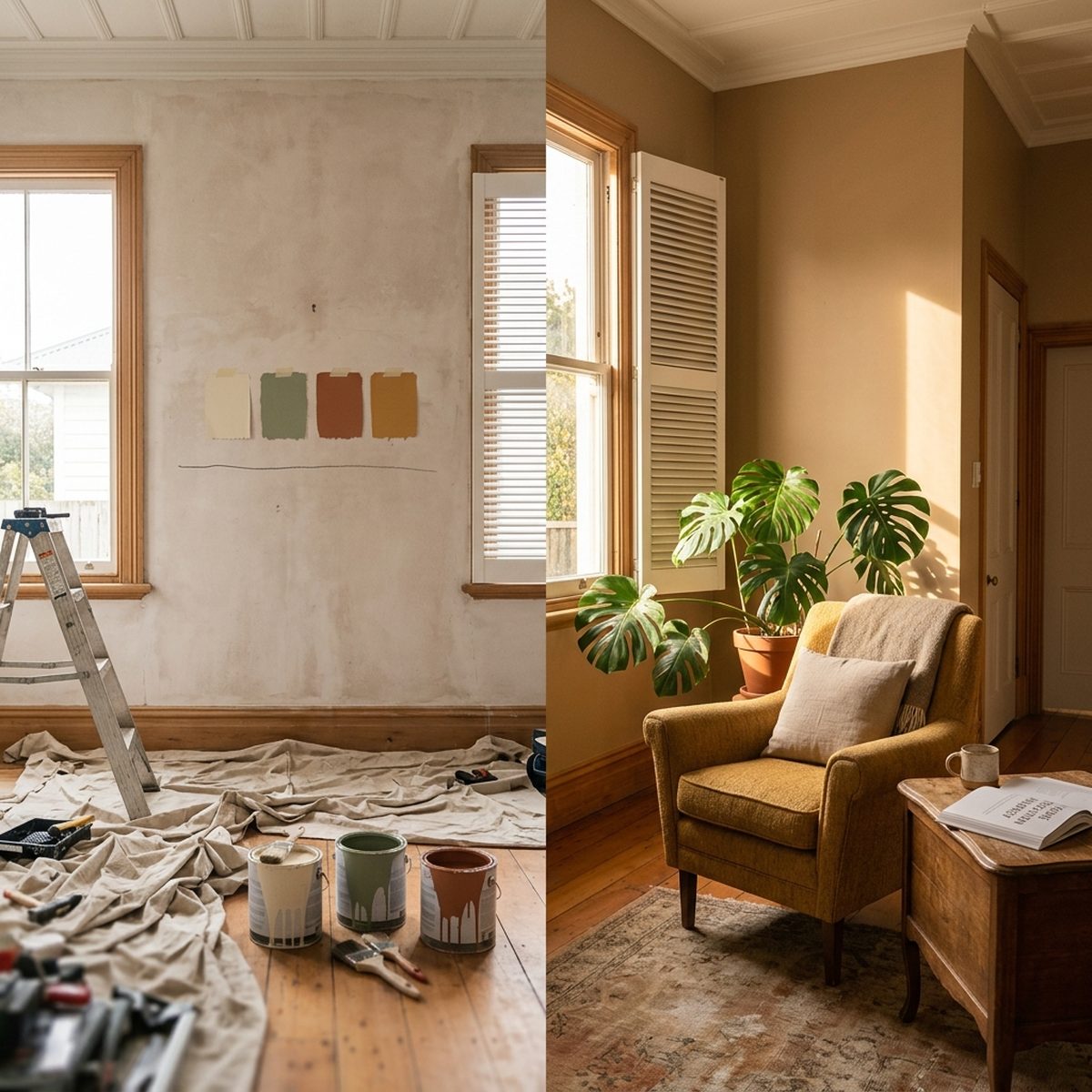

A significant 75.4% of homeowners express dissatisfaction with their completed renovation projects. This staggering figure points to a deeper problem: a disconnect between a home’s design and the people who live in it. As we approach 2026, the most meaningful sustainable home design principles are evolving beyond simple energy ratings. True sustainability now means creating a home that is deeply efficient, resilient, and perfectly tailored to your personal design DNA from the very beginning. This approach prevents costly rework and ensures your home remains loved for decades.
The Foundation of Future-Proof Design
Sustainability is no longer an optional add-on. It is the bedrock of responsible, financially sound home creation. The principles for 2026 integrate advanced technology, ecological responsibility, and a profound understanding of occupant wellbeing. Getting these elements right from the initial planning stage is the most powerful way to avoid the regret and waste associated with design misalignment. When your home reflects your authentic style and values, you are far less likely to undertake unnecessary renovations in a few years. Avoiding this cycle of demolition and reconstruction is a profoundly sustainable act.

Energy Performance: From Efficient to Regenerative
The goalpost for energy efficiency has moved. The new standard aims for homes that produce as much energy as they consume, or even give back to the grid.
Net Zero Energy Homes
A net zero energy home generates enough renewable energy on-site to meet its annual consumption. This is achieved through a combination of superior insulation, high-performance windows, and renewable energy systems like solar panels. The financial payback is clear, but the design must also complement the home’s aesthetic. Your personal connection to the technology matters. Panels should be integrated in a way that feels intentional, not just tacked on. For example, in-roof solar systems that replace traditional tiles can offer a sleeker profile than retrofitted panels.
Passive House Standards
This rigorous design standard focuses on creating an exceptionally airtight and well-insulated building envelope. A home built to passive house standards requires minimal energy for heating or cooling. It maintains a comfortable temperature year-round with very little mechanical intervention. This represents a significant shift in construction philosophy, prioritising the building’s shell above all else. The standard is performance-based, requiring verified testing to achieve certification.
Smart Home Energy Management
Intelligent systems now provide granular control over a home’s energy use. These systems learn your habits and adjust heating, cooling, and lighting automatically to eliminate waste. Their success, however, depends on your lifestyle. Understanding your daily rhythms through a design personality course ensures these systems are programmed to support your reality, not a generic ideal. A system that assumes an empty house during work hours will waste energy if you regularly work from home.
Conscious Material Cycles and Construction
What your home is made of matters as much as how it performs. The next wave of sustainable design embraces materials that have a positive story, moving from simply being ‘less bad’ to being actively beneficial.
| Material Approach | Key Characteristic | Example |
|---|---|---|
| Circular Economy Materials | Reused, recycled, or easily recyclable at end-of-life. | Reclaimed timber, recycled glass countertops, carpet tiles designed for take-back. |
| Regenerative Architecture | Materials that actively improve environmental health. | Rapidly renewable bamboo, carbon-sequestering hempcrete, mycelium-based insulation. |
| Prefabricated Eco-Modules | Precision-built components that minimise on-site waste. | Factory-built wall panels with integrated insulation and wiring, bathroom pods. |
Choosing between these options is not just a technical decision. It is an expression of values. A person drawn to the warmth and history of reclaimed timber has a different design personality than someone who prefers the sleek innovation of new recycled composites. Clarifying this preference upfront prevents material choices that feel out of sync with your style later on. For instance, using industrial-looking recycled steel beams in a cottage-style home may create visual discord, even if the material is sustainable.
Integrated Water and Ecosystem Management
Water security is a growing concern in many regions, making intelligent water systems a non-negotiable aspect of modern sustainable home design principles. Modern water recycling systems, such as greywater systems that redirect water from showers and sinks to toilet flushing or garden irrigation, dramatically reduce mains water use. Pairing this with rainwater harvesting creates a resilient water supply. A 10,000-litre tank in Auckland, for example, can supply a significant portion of a household’s non-potable needs. Externally, green roofing solutions provide insulation, reduce stormwater runoff, and create habitats for local biodiversity. These elements are part of a broader strategy known as climate adaptive construction, which designs homes to withstand and respond to local environmental shifts, such as increased rainfall or temperature extremes.
Wellbeing Through Biophilic Connection
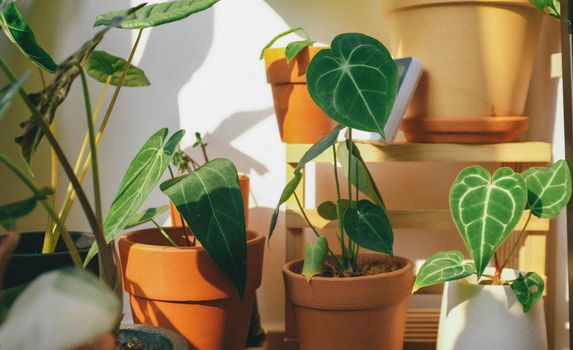
Sustainability is fundamentally about supporting life, and that includes human life within the home. Biophilic design integration is the practice of connecting occupants with nature through direct and indirect means.
- Direct: Ample natural light, ventilation, indoor plants, water features, and accessible outdoor spaces.
- Indirect: Natural materials like wood and stone, nature-inspired colours and patterns, and organic shapes.
This principle has a direct impact on mental and physical health. Studies, including those cited by organisations like the International Living Future Institute, link biophilic design to reduced stress and improved cognitive function. However, its application is deeply personal. One person may crave a bright, plant-filled sunroom, while another finds peace in a minimalist, stone-clad sanctuary with a focused view. Knowing which natural elements you resonate with is a core part of your unique design DNA.
Aligning Sustainability with Your Design Identity
This is where conventional advice on sustainable home design principles often falls short. It prescribes solutions without considering the individual. The most sustainable home is one you will cherish and maintain for a lifetime. Forcing a ‘one-size-fits-all’ eco-aesthetic onto someone whose true style lies elsewhere is a recipe for future dissatisfaction and change. A home clad in raw, untreated timber may suit a rustic aesthetic but feel completely wrong for someone with a preference for polished, contemporary finishes.
This is why the journey must start with self-discovery. A method like the Austin Home Method® used in our affordable interior design course guides you to articulate your unique design personality before you specify a single material. When you understand your authentic preferences, you can then interpret 2026’s sustainable principles through a lens that is authentically yours. You select the circular economy material that you genuinely find beautiful. You choose the water-saving fixture that fits your aesthetic. The result is a home that is both planet-friendly and soul-nourishing, with no compromise.
Your Path to a Home that Lasts
Implementing these principles requires a clear plan. Start by prioritising what matters most to you. Is it energy independence, water resilience, or material health? Then, engage with a design professional who can translate these priorities into a cohesive plan. Crucially, arm yourself with clarity about your own style first. Investing in a course before starting your renovation provides the confidence to make decisions that align with your long-term vision. This protects your budget from the costly rework that plagues so many projects. Your home becomes a true testament to a sustainable future because it is designed for the unique person who lives there. Consider creating a project brief that outlines both your sustainability targets and your design non-negotiables before meeting with architects or builders.
Frequently asked questions
Are net zero energy homes more expensive to build?
Initial costs can be 5-15% higher due to advanced materials and systems. However, the long-term savings on energy bills, increased resilience to price hikes, and potential for higher resale value often offset this premium within a reasonable timeframe. Government grants or subsidies for renewable energy installations, which vary by region, can also improve the financial equation.
Can I incorporate sustainable principles into a renovation, or is it only for new builds?
You can absolutely integrate these principles into a renovation. Focus on areas with the biggest impact: upgrading insulation and windows, installing water-efficient fixtures, choosing sustainable materials for cabinetry and finishes, and adding smart energy controls. A phased approach is both practical and effective. For example, you might upgrade the thermal envelope in one phase and install a solar system in the next.
How does knowing my design style help the environment?
When you build or renovate a home that truly reflects your core design personality, you are far less likely to grow dissatisfied and undertake another major renovation in 5-10 years. Avoiding this ‘churn’ saves an enormous amount of material from landfill and eliminates the carbon emissions of a second construction process. It also conserves the embodied energy already invested in your existing home.
What is the simplest sustainable upgrade I can make?
Improving your home’s thermal envelope is highly effective. Seal draughts around doors, windows, and skirting boards. Then, top up ceiling and underfloor insulation to the recommended standards. This single step reduces energy demand for heating and cooling year-round. The New Zealand Government’s Warmer Kiwi Homes programme offers grants for eligible homeowners to assist with insulation and heating, making it a more accessible first step.
Is smart home technology necessary for a sustainable home?
While not strictly necessary, smart home energy management systems provide fine-tuned control that can eliminate significant waste. They are most effective when paired with an energy-efficient building shell and when programmed to suit your actual daily routines, not a preset schedule. For homes with solar panels, smart systems can optimise the use of self-generated power, for instance by timing high-energy tasks like laundry for peak solar production hours.