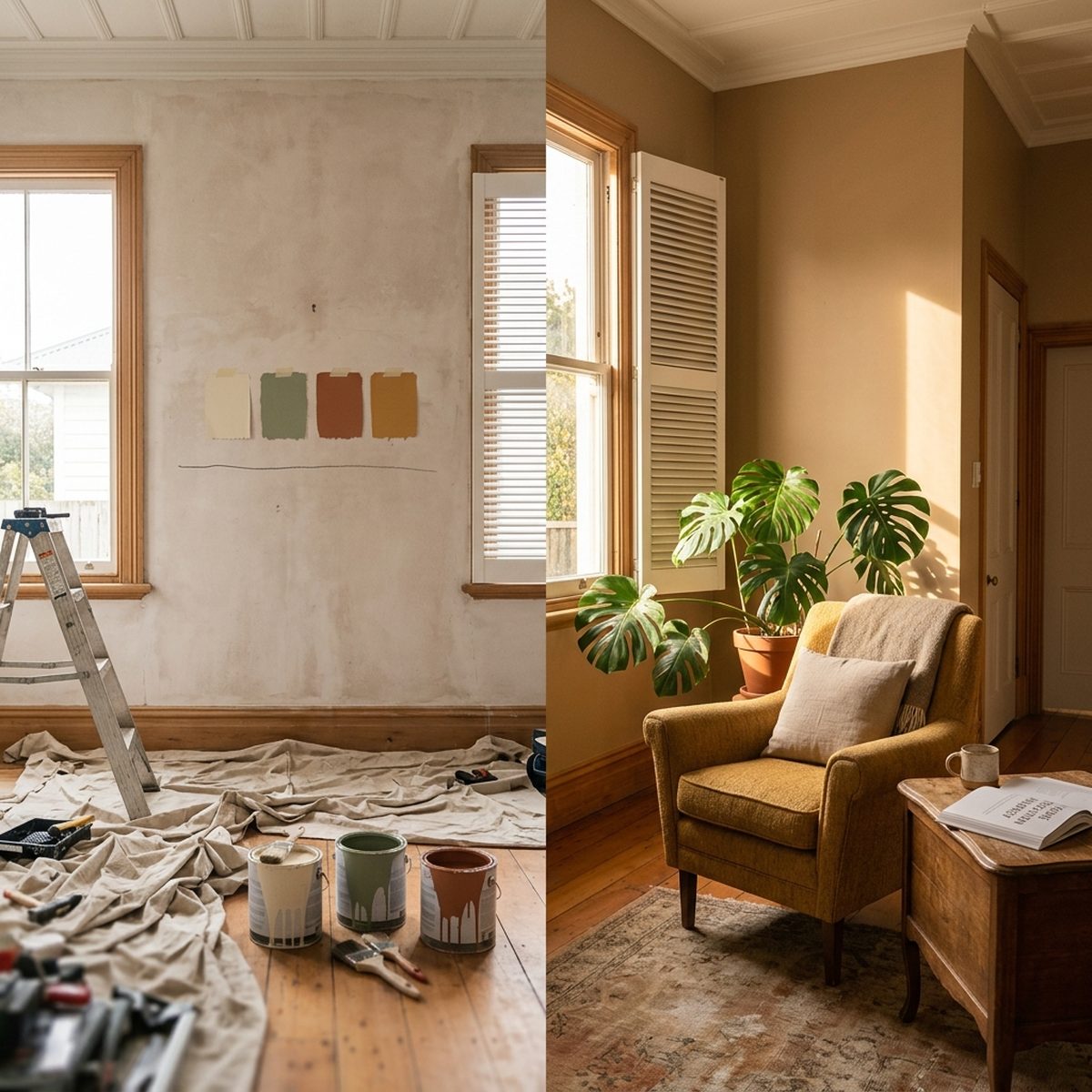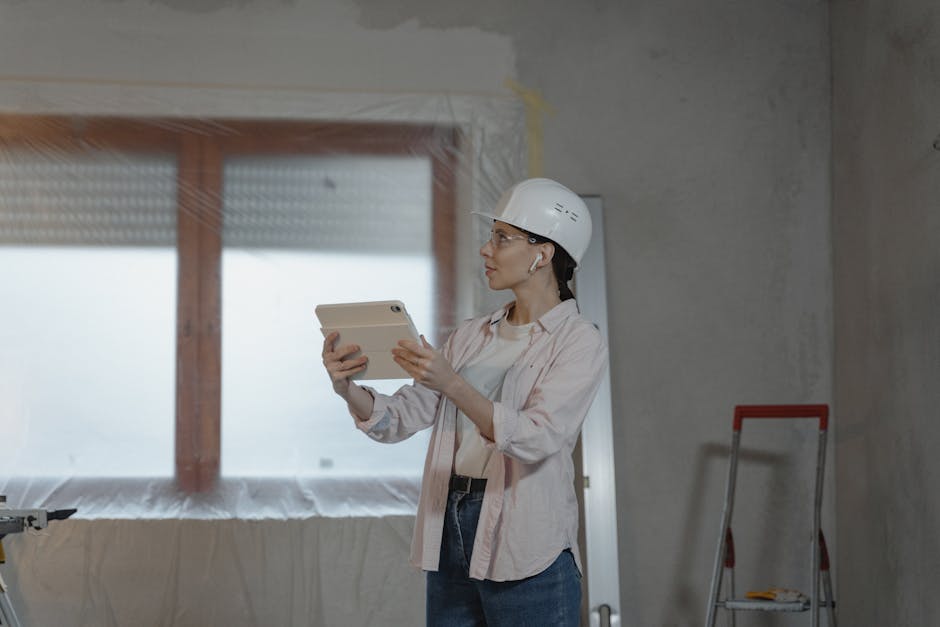


By 2027-2028, the typical New Zealand family home will be a hub for remote work, online learning, fitness, entertainment, and quiet relaxation, all at once. This reality makes a single-purpose room a luxury few can afford. Multifunctional space design is no longer a trend; it is an essential strategy for creating a home that supports your family’s dynamic life without feeling cluttered or chaotic. The core challenge is not just about finding furniture that folds away, but about crafting an environment that intuitively adapts to daily rhythms while reflecting who you are. Getting this right from the start can prevent the frustration and costly rework that plagues so many renovation projects.
The Shift Towards Adaptive Family Homes
Family life has fundamentally changed. Homes now serve as offices, classrooms, gyms, and sanctuaries. This shift demands interiors that can morph quickly and efficiently. A successful multifunctional space design for family living in 2026 hinges on anticipating these needs and building in flexibility from the ground up. It moves beyond open floor plans to create distinct zones within a shared area, using design to signal function without permanent walls. The goal is to foster connection while allowing for privacy and focus. This approach directly addresses a common pain point: the disappointment of finishing a renovation only to find the space doesn’t work for your actual life. Investing time in understanding your household’s unique patterns is the first, non-negotiable step. A tool like the Austin Home Method can provide the structured framework needed for this discovery.
Consider the rise of multi-generational living. It is increasingly common for grandparents, parents, and children to share a home. This arrangement requires spaces that offer both communal gathering points and private retreats. Flexible layouts become crucial, allowing rooms to serve different generations at different times of day. For example, a sunroom might function as a playroom for children in the morning, a quiet sitting area for grandparents in the afternoon, and a yoga space for parents in the evening. Similarly, the integration of wellness design principles, focusing on light, air quality, and acoustics, ensures these shared environments contribute to physical and mental health rather than detract from it. A 2023 study by the University of Otago’s Housing and Health Research Programme found that homes designed with good natural light and ventilation reported a 30% lower incidence of stress-related symptoms among occupants.
Core Principles for 2026-2028’s Multifunctional Spaces
Creating a home that effortlessly adapts requires a blend of thoughtful planning, smart products, and a deep understanding of your own design preferences. These foundational principles will shape multifunctional space design for the coming year.
Intentional Flexibility Over Open Emptiness
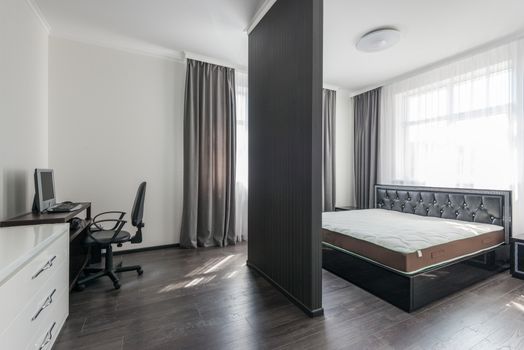
An open floor plan provides a canvas, but without definition, it can become a noisy, distracting void. The key is to create flexible layouts that use furniture, lighting, and flooring to delineate areas. A rug can anchor a living zone, a bookshelf can act as a room divider, and a change in ceiling fixture can signal a transition from a dining area to a study nook. This intentional zoning allows activities to coexist without interference. It is a strategy that respects the need for both togetherness and individual focus within a family home.
The Power of Transformative Elements
Modular furniture is the workhorse of the adaptable home. Think of sofas that reconfigure, tables that expand or contract, and storage units that can be stacked or rearranged. These pieces allow a living room to shift from a play area by day to an entertainment zone by night. Convertible rooms take this further, with features like fold-down beds, sliding walls, or lofted spaces that change a home office into a guest bedroom in minutes. When selecting these elements, prioritise quality mechanisms and durable, sustainable materials. Using renewable resources and non-toxic finishes aligns your home with environmental values and ensures a healthier space for your family. A Christchurch-based furniture maker, for instance, now specialises in native timber modular systems designed specifically for the seismic and lifestyle demands of New Zealand homes.
Technology as a Seamless Assistant
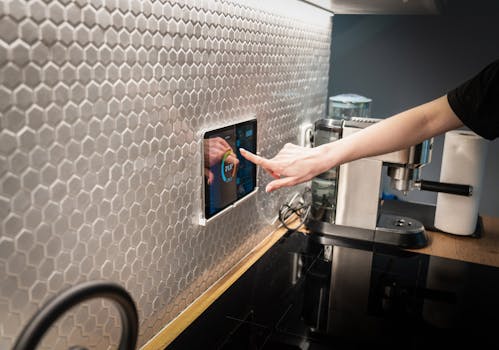
Smart home integration and home automation are pivotal in making multifunctionality effortless. Automated blinds that adjust for light and privacy, lighting scenes that change a room’s mood, and voice-controlled climate systems remove manual friction. This technology should work quietly in the background, enhancing comfort without becoming a distraction. For instance, a single command could lower the lights, draw the blinds, and play white noise, transforming a bustling family room into a serene cinema.
Biophilic design, which incorporates natural elements into the built environment, complements this technological layer. Access to natural light, indoor plants, and views of greenery reduces stress and improves cognitive function, making your multifunctional spaces more pleasant and productive for every family member.
|
Design Element |
Function in a Multifunctional Space |
Example for Family Living |
|---|---|---|
|
Modular Sofa |
Creates flexible seating; can be reconfigured for conversation, lounging, or extra guest bedding. |
A sectional with movable chaises that can define a play area or open up the room for entertaining. |
|
Sliding or Folding Doors |
Provides visual and acoustic separation without sacrificing floor space. |
A barn door that closes off a home office from the living area during work hours. |
|
Multi-Level Storage |
Maximises vertical space for belongings of all family members, keeping floors clear. |
Floor-to-ceiling shelving with bins for toys, books, and media, all within easy reach. |
|
Programmable Lighting |
Defines zones and sets moods for different activities throughout the day. |
Bright, cool-toned lights for homework time; warm, dimmed lights for evening relaxation. |
From Concept to Reality: Aligning Design with Your Life
The most beautiful multifunctional space will fail if it does not align with your family’s unique rhythm and tastes. This is where a clear understanding of your personal design DNA becomes indispensable. Before sourcing a single piece of modular furniture or planning a smart home integration, you must clarify what you find joyful, calming, and inspiring. This self-knowledge prevents the common mistake of copying a trendy layout that feels alien in your daily life.
Wellness design is a perfect example. While it often emphasises natural materials and ample light, your interpretation of wellness might prioritise a dedicated, quiet corner for reading or a robust sound system for family dance parties. Your version of a flexible layout must cater to your specific routines. The process of discovering your unique design personality helps you make confident choices that are cohesive and personally meaningful, ensuring your multifunctional space design genuinely supports your family’s well-being.
For many, the prospect of designing such an adaptive home feels overwhelming. This is precisely why an increasing number of homeowners are choosing to take an online course before starting their renovation. This upfront investment provides the tools and confidence to plan effectively, potentially saving thousands in avoided rework and dissatisfaction. One Auckland couple reported that completing a design methodology course helped them avoid a $15,000 mistake by clarifying their need for a dedicated music room that could also serve as a guest room, something their initial architect’s plans had overlooked.
Sustaining Your Adaptable Home
Implementing a multifunctional space design is not a one-time event. As your family grows and changes, so too will your needs. Choosing classic, durable pieces in neutral foundations allows you to update accents and accessories over time without a full overhaul. Sustainable materials are not only better for the planet but often more resilient, standing up to the wear and tear of active family life. New Zealand wool carpets, for example, offer natural stain resistance and durability that outperform many synthetic options.
Regularly assess how your spaces are used. Is the homework nook too distracting? Could the guest room function better as a craft space most of the year? This ongoing dialogue with your home ensures it continues to serve you. The stories of those who have gone through this process, like the home transformation journey of Amy, show how clarity of personal style leads to spaces that are both highly functional and deeply loved. Establish a biannual ‘home review’ where the family discusses what’s working and what isn’t, turning adaptation into a shared habit.
Frequently Asked Questions
What is the biggest mistake people make in multifunctional space design?
The most common error is prioritising aesthetics over actual daily function. People often design for an idealised version of their life rather than their real routines. Without understanding your family’s true habits and preferences, you risk creating a beautiful space that is frustrating to live in. This is why identifying your core design personality is so critical.
How can I make a small home feel multifunctional without crowding it?
Focus on vertical space and dual-purpose furniture. Use wall-mounted shelves, fold-down desks, and beds with built-in storage. Choose a light colour palette to enhance the sense of space and ensure every item has a designated home to avoid clutter. Clever zoning with rugs or lighting can create distinct areas without physical barriers.
Is smart home integration necessary for a multifunctional family space?
Not strictly necessary, but highly beneficial. Home automation simplifies the process of changing a room’s function. With voice commands or scheduled scenes, you can quickly adjust lighting, temperature, and window coverings to support different activities, making the space more responsive and easier to manage for busy families.
Can multifunctional design work for older, traditional homes?
Absolutely. The principles adapt to any architectural style. In a character home, you might use freestanding bookcases as room dividers or invest in custom cabinetry that conceals workstations. The key is to blend modern functionality with the existing charm, ensuring updates feel sympathetic to the original structure.
How do I start planning a multifunctional space for my family?
Begin by observing and documenting your family’s current life for a week. Note where congestion happens, where quiet is needed, and what activities compete for space. Then, seek a framework to translate these observations into a design plan. Exploring a design personality course can give you the structured methodology to turn these insights into a coherent, actionable vision for your home.