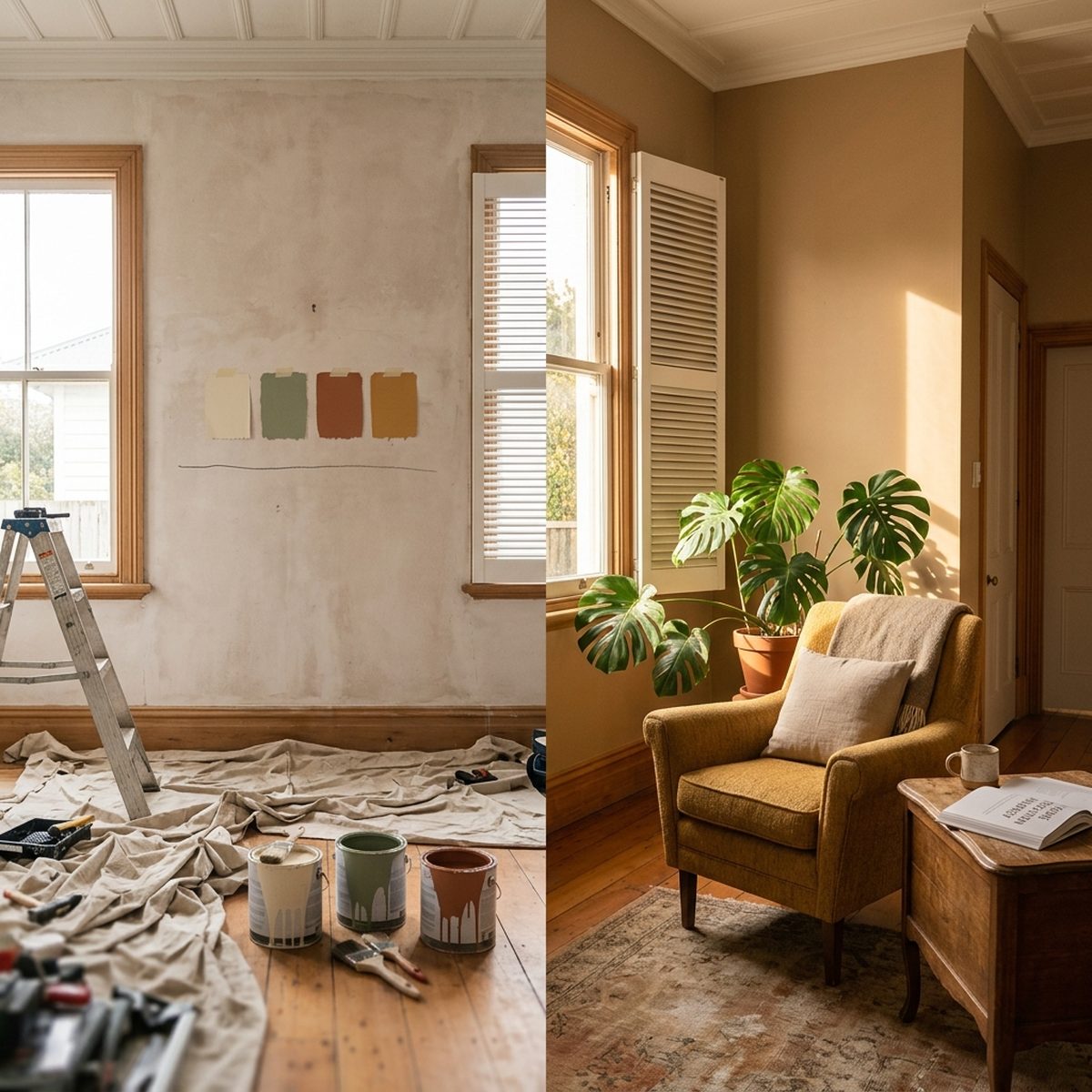


What if the layout of your lounge could lower your stress levels before you even sit down? The connection between our surroundings and our mental state is no longer just anecdotal. By 2027, creating a home that actively supports psychological health is a fundamental design goal, moving beyond aesthetics to embrace the science of feeling good at home.
The Foundation: How Your Space Shapes Your Mind
Your home is more than a shelter. It is your most personal environment, constantly interacting with your nervous system. Clutter can heighten anxiety, while poor lighting may disrupt your sleep and mood. The emerging field of neuroarchitecture provides the principles for design that works with your brain, not against it. This approach forms the core of modern mental health focused interiors, where every choice is intentional.
This is not about following fleeting trends. It is about creating a therapeutic home environment tailored to you. A space that feels calming to one person might feel sterile to another. The first step is understanding your own needs and responses, which is precisely what a focused design process reveals.
Key Principles for a Wellness-Centric Home
The most effective designs in 2027 integrate several evidence-based strategies. These are not standalone tricks but work together to craft a cohesive, supportive habitat.
Embracing Nature: Biophilic Design Trends 2027
Biophilic design continues to evolve. In 2026-2027, it is less about simply adding a pot plant and more about creating a seamless dialogue between indoors and out. This includes maximising natural light, using organic materials you can see and touch, and incorporating views of greenery. These elements reduce cortisol levels and enhance cognitive function, making your home a true retreat. For many, this philosophy reshapes their entire wellness-centric floor plan to prioritise connection to the garden or courtyard.
Lighting That Lives With You
Static, harsh overhead lighting is on its way out. Circadian lighting systems adjust colour temperature and intensity throughout the day, mimicking the natural progression of sunlight. Cool, bright light in the morning promotes alertness, while warmer, dimmer tones in the evening signal your body to wind down. This respect for your natural rhythm is a cornerstone of supportive home design for mental wellbeing in 2026, helping regulate sleep and mood far more effectively than a standard switch.
Designing for the Senses
A truly restorative home considers all five senses. This is the concept behind sensory integration spaces. Think of the tactile pleasure of a textured wool throw, the calming sound of a small indoor water feature, or the subtle scent of natural timber. Reducing visual noise with thoughtful storage is also key. By curating these sensory inputs, you can create zones for calm or energy within your home, giving you control over your emotional landscape.
Making It Personal: Materials, Layout, and Emotion
Principles are useless without personal application. This is where your individual taste and life meet science.
The Importance of Mindful Material Selection
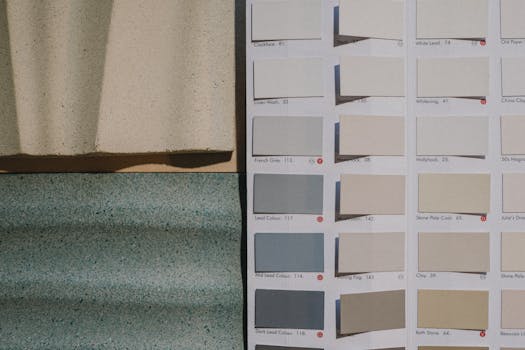
Every surface in your home tells a story. Mindful material selection means choosing substances that are not only sustainable and non-toxic but also emotionally resonant for you. Do you find polished concrete cool and grounding, or does it feel too industrial? Does the warmth of aged oak bring you joy? These choices directly impact your sense of comfort and security, turning a house into your haven.
Creating Emotional Resonance Through Design
This concept, often called emotional resonance design, is about crafting spaces that reflect and evoke your desired feelings. A reading nook might be designed for cosy introspection, while a kitchen might be laid out to foster joyful connection. This goes deeper than colour psychology. It is about creating a narrative in your home that aligns with your personal story and aspirations for wellbeing. Understanding this link is powerful, as explored in our article on Design Personality Impact: Emotional Well-being Boost.
Your Home as a Tool for Wellbeing
The goal is to move from a home that you simply occupy to one that actively contributes to your health. This might involve creating a dedicated corner for meditation or yoga, or it could mean adopting an adaptive reuse for wellbeing project. Perhaps you transform an underused formal dining room into a sunny hobby room that sparks creativity and flow.
This personalised approach ensures your environment supports your unique life. It prevents the common pitfall of designing a beautiful showroom that doesn’t actually work for your daily mental load. When your home aligns with your inner needs, it becomes a powerful tool for resilience. If you are curious about how to start this self-discovery process, our Craft Your Home: Design Personality Course provides a structured path.
Where to Begin Your Journey
Starting a renovation or refresh with mental wellbeing as the primary focus can feel overwhelming. The key is to begin not with paint swatches, but with self-inquiry. Before you sketch a single layout, invest time in understanding your own Design DNA Home Transformation: Your Unique Personality 🏡✨. What environments make you feel most at peace? What elements cause you stress?
This foundational knowledge turns design decisions from guesses into confident choices. It is the difference between hoping a room will feel calm and knowing exactly how to make it so. Many find that a clear framework saves significant time, money, and stress, a topic we discuss in Should I Take An Online Course Before Starting My Next Renovation/Room Makeover? – Creating Design Clarity.
Home design for mental wellbeing in 2026-2027 is a thoughtful, intentional practice. It blends established neuroarchitecture principles with a deep understanding of what makes you, uniquely you, feel supported and restored. Your home can be your greatest ally for mental health. The first step is deciding to design it with that purpose in mind.