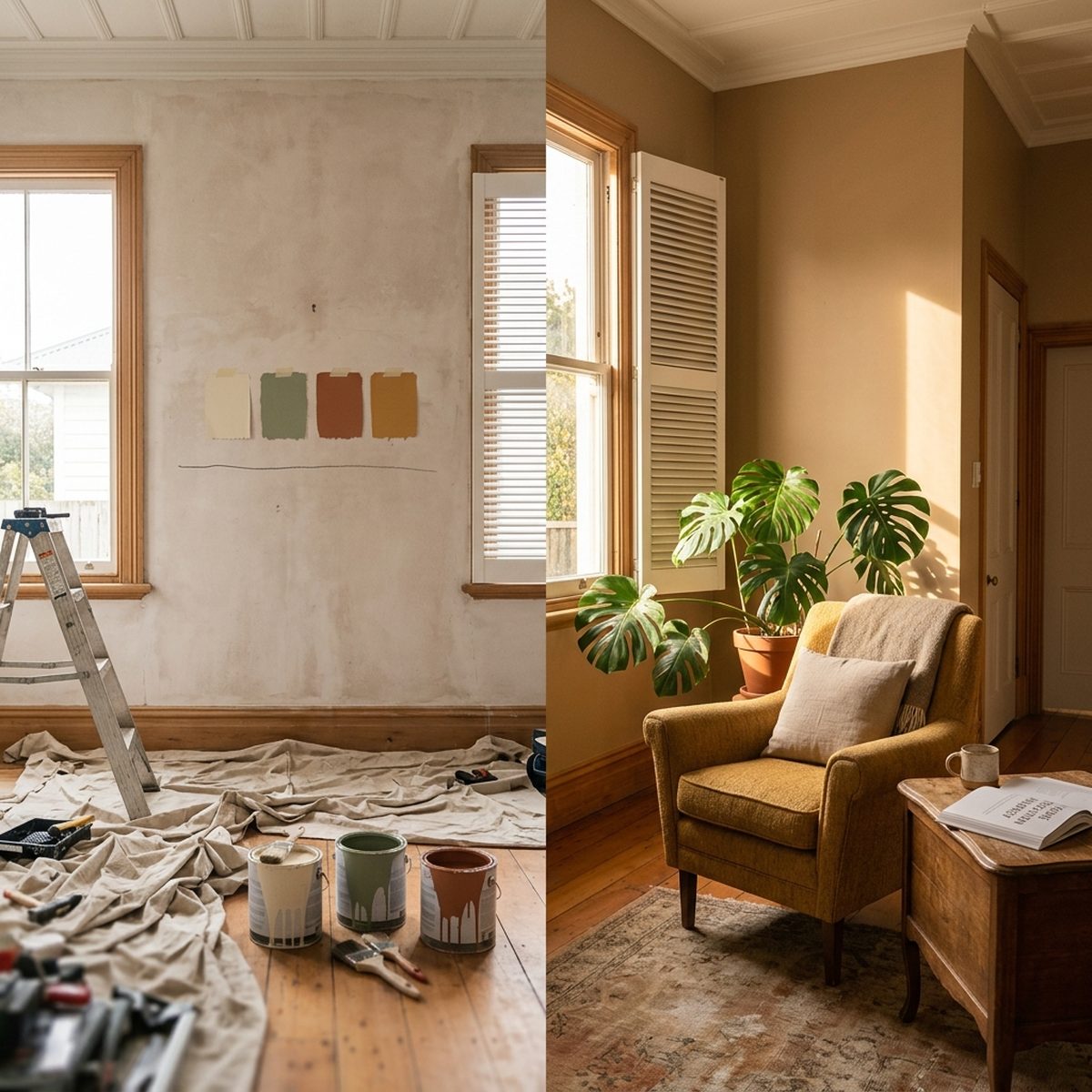


More than half of all renovation projects in New Zealand go over budget, often by a significant margin. If you’re tackling your first renovation, you’re navigating a field of potential pitfalls that can drain your savings and your enthusiasm. The most common first home renovation mistakes NZ newcomers make stem from excitement outpacing preparation. This guide walks you through the frequent errors and how to sidestep them for a smoother project.
Why Planning Prevents the Worst Renovation Errors
Jumping straight into demolition or shopping is a recipe for trouble. Poor planning is the root cause of many subsequent problems, from budget blowouts to timeline chaos. A solid plan is more than a mood board. It’s a detailed roadmap covering design, sequence of work, and a realistic schedule. Without it, you’ll make decisions under pressure, often choosing cheap materials or altering layouts in ways that create more work later. A clear vision defined before work starts is your strongest defence against chaos. For many, developing this vision is the hardest part. A structured approach, like that taught in the Master Your Design Personality for Home Renovation Success course, provides the framework to make confident choices from the start.
The Core Elements of a Strong Renovation Plan
Your plan needs several key documents. First, a scope of work that lists every single task. Second, a realistic budget with at least a 20% contingency for unexpected costs. Third, a timeline that accounts for supply delays and council processing. Finally, your design selections should be finalised, down to the paint colours and cabinet handles. This prevents last-minute changes that incur fees and cause delays.

The Critical Budgeting Errors That Sink Projects
Budgeting errors are almost a rite of passage for first-time renovators, but they don’t have to be. The biggest mistake is creating an optimistic budget based on best-case scenarios. You must research actual material and labour costs in your region for 2026 and beyond. Get multiple quotes, not estimates. Another major error is forgetting to budget for hidden costs like waste removal, temporary accommodation if needed, and permit/consent fees. Underestimating timelines also has a direct financial impact. If your project takes twice as long, you’re paying for extended equipment hire or living in discomfort longer, which has a real cost. Plus, the worst hidden cost is you getting to the end of the project and you just don’t like it (let alone “love it” ????). Unfortunately, only 1/4 of room makeovers are loved by the person living in that space!) Thankfully, all of the above can be avoided.
Navigating Regulations and Structural Safety
New Zealand’s building code is there for your safety. Ignoring it can be a catastrophic mistake. Not getting permits for structural, plumbing, or electrical work can lead to fines, forced removal of work, and major issues when you sell your home. Always check with your local council. This ties directly to another critical error: ignoring structural issues or skipping professional inspections. A fresh coat of paint won’t fix a leaking foundation or rotten framing. A pre-purchase building inspection is essential, but so is consulting a structural engineer if you plan to remove walls. What looks like a simple beam could be load-bearing. This due diligence protects your investment and your family’s safety.

Common Missteps in Execution and Materials
Once work begins, new mistakes emerge. A frequent one is DIY overestimating skills. While painting or tiling might be within reach, electrical work, plumbing, and structural changes are not. Poor work here can be dangerous and expensive to fix. Similarly, choosing cheap materials to save money upfront often backfires. Cheap laminate may blister, and low-grade fixtures will wear out quickly, needing replacement in a few years. This is a false economy. Furthermore, overlooking insulation upgrades during a renovation is a missed opportunity. Improving your home’s thermal envelope is harder later and boosts comfort and resale value immediately.
The Long-Term View: Resale and Personal Value
Every renovation choice balances your personal taste with broader appeal. Not considering resale value at all can limit your home’s future marketability. Highly personal or quirky design choices may not appeal to other buyers – however, this is balanced by how long do you expect to stay in your home? Do you want to love the finished look and gain positive emotional energy from the space? Or, conversely, a neutral renovation that improves flow and light appeals widely if you are looking to sell within the next 6 months. The key is to integrate your personality in flexible ways, like with easily changed soft furnishings and art. This is where understanding your design personality pays off. It helps you make choices you love that also have universal appeal. Robyn’s story in Create Your Haven: Robyn and Joy’s Guide shows how personal style and smart design coexist beautifully.
How to Set Yourself Up for Renovation Success
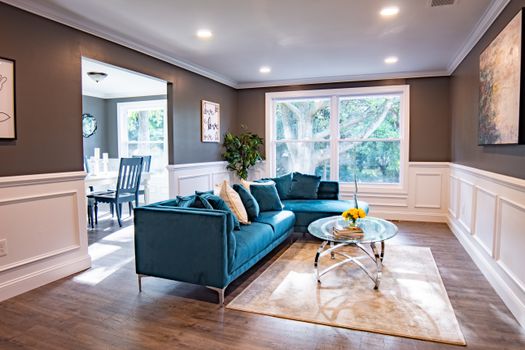
Avoiding these common mistakes comes down to one thing: informed preparation. Knowledge replaces fear and guesswork. Before you pick up a hammer, invest time in understanding the process and, more importantly, yourself. What do you truly need from your home? How do you want each room to feel? Answering these questions prevents you from following fleeting trends and leads to a home you’ll love for years. This is the core philosophy behind the Design DNA Home Transformation: Your Unique Personality ????✨ process. It’s designed to give homeowners the clarity that professional designers have, ensuring every decision aligns with a coherent vision.
Your first renovation is a major project, but it doesn’t have to be a stressful series of errors. By acknowledging these common pitfalls—budgeting errors, poor planning, skipping inspections—you can plan to avoid them. Start with a clear vision of your design personality. Understand your budget’s true limits. Respect the building process and regulations. For many successful homeowners, the first step was an educational one. Explore whether an Should I Take An Online Course Before Starting My Next Renovation/Room Makeover? – Creating Design Clarity to build your confidence and toolkit before you begin. Your dream home is built on solid decisions, starting with the decision to prepare properly.