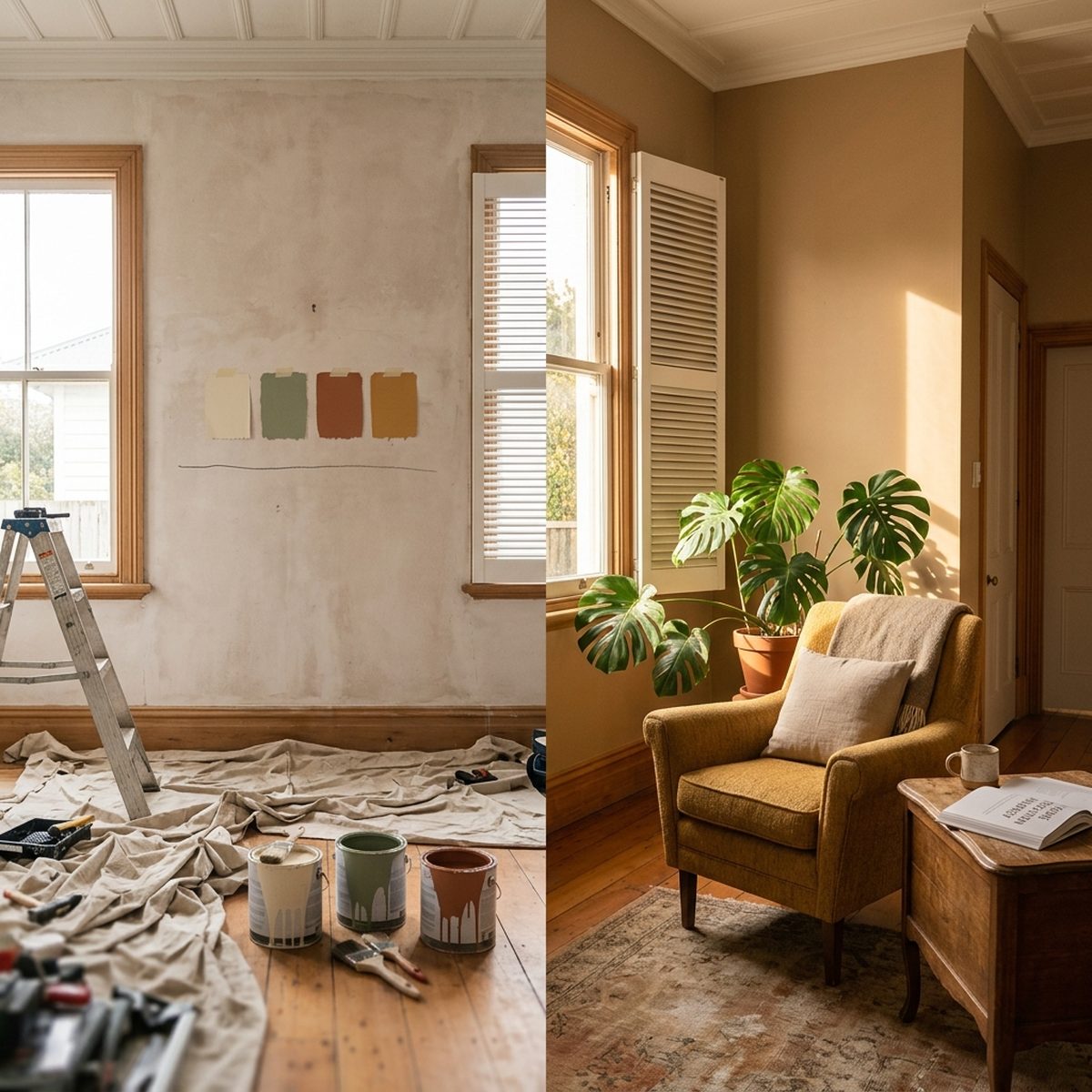

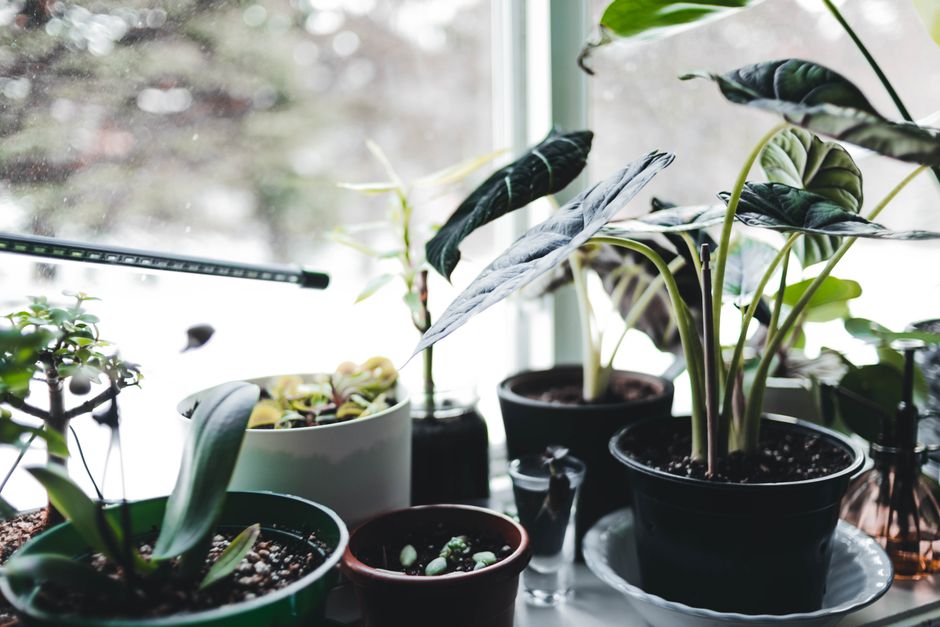
Did you know the desire to connect our homes with nature is now a dominant design force, yet over 75% of homeowners fear its cost? The good news is that true biophilic design isn’t about expensive architectural overhauls. For 2026 and into 2027, the focus shifts decisively towards accessible, budget-conscious strategies that anyone can implement. This approach to affordable biophilic design merges the deep human need for nature with practical, sustainable choices. It’s about creating spaces that support your wellbeing without demanding a prohibitive budget. By understanding a few core principles, you can transform any room into a calming, nature-inspired sanctuary that aligns perfectly with your personal style and financial reality.
What Is Biophilic Design, Really?
At its heart, biophilic design is the practice of connecting people and the natural environment within our built spaces. It goes far beyond just adding a pot plant. It engages our innate affinity for life and lifelike processes through direct nature (like plants and light), indirect nature (like natural materials and colours), and the experience of space and place. The core benefit is profound: reduced stress, improved creativity, and a greater sense of wellbeing. For homemakers, this means creating a home that doesn’t just look good, but actively feels good and supports daily life. When you start a renovation or makeover with this intent, every choice becomes more meaningful. It aligns with the self-discovery process of finding your unique design DNA, ensuring your space is both beautiful and biologically nurturing.
2026-2027’s Top Budget-Friendly Biophilic Trends
The latest movements in sustainable green architecture are wonderfully democratic. You don’t need a grand budget to participate. The key trends for 2026-2027 emphasise adaptability and personalisation.
First, micro-naturescapes are gaining popularity. Instead of one large, costly feature, create several small, curated natural moments. A cluster of air plants on a bedside table, a tray of moss and stones on a coffee table, or a single striking branch in a vase can have immense visual impact. Second, the focus is on multifunctional natural elements. A large, low wooden bowl can serve as fruit storage, a centrepiece, and a textural element. A jute rug defines a space while adding organic texture underfoot.
Third, there’s a strong push for “found nature” decor. This involves ethically sourcing materials like driftwood, interesting stones, or pressed leaves and framing them as art. This trend towards nature-inspired decor is deeply personal and often free. Finally, the integration of dynamic light remains paramount. The simple, affordable act of maximising natural light through mirror placement and choosing warm-toned, dimmable LED bulbs mimics the sun’s natural rhythm, a cornerstone of biophilic design.
Starting with Low-Cost Indoor Plants
Plants are the most direct connection to nature we can introduce. The goal for 2026 is intelligent, low-maintenance choices that thrive without becoming a burden. Start with resilient varieties known for their air-purifying qualities and adaptability.
|
Plant Name |
Key Benefit |
Light Requirement |
Budget-Friendly Tip |
|---|---|---|---|
|
Snake Plant |
Excellent air purifier, releases oxygen at night. |
Low to bright indirect |
Propagate new plants from leaf cuttings. |
|
ZZ Plant |
Tolerates very low light and infrequent watering. |
Low to moderate |
Often sold in small pots; grows steadily. |
|
Pothos |
Fast-growing, versatile trailing plant. |
Low to bright indirect |
Take cuttings to create many new plants for free. |
|
Spider Plant |
Non-toxic, removes pollutants, produces “pups”. |
Moderate indirect |
Repot the plantlets it produces to fill other rooms. |
Grouping plants together creates a more impactful visual statement and can raise local humidity, helping them thrive. Use inexpensive terracotta pots or unify mismatched containers with a simple coat of white paint. Remember, your selection should reflect your lifestyle. If you love the idea of plants but lack time, a few well-chosen succulents or a single large, low-maintenance fiddle leaf fig can be more effective than a dozen needy specimens. This practical approach is a key part of creating a home that works for you, a principle central to any informed renovation plan.
DIY Projects for Authentic Connection
Handmade elements add a unique, personal layer to biophilic design. DIY living walls can be as simple as a wall-mounted plank with hooks for hanging a collection of potted trailing plants like pothos or philodendron. This avoids the complexity and cost of integrated irrigation systems. Another project is creating botanical prints. Use inexpensive frames from a second-hand shop and fill them with high-quality prints of leaves, ferns, or botanical illustrations.
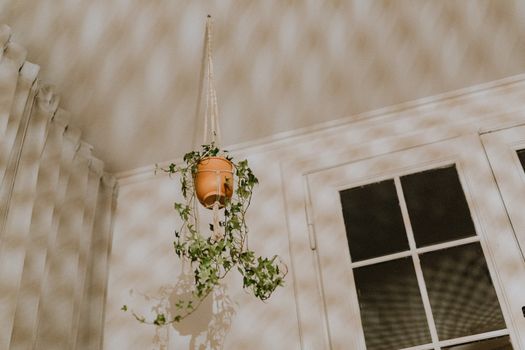
For texture, consider making your own macrame plant hangers with natural cotton rope. You can also create a “nature table” where you display seasonal finds: pinecones in winter, shells in summer, or colourful autumn leaves. These projects are not just cost-saving; they foster a deeper, more mindful connection to your space. The act of making something for your home embeds it with personal significance, making the final result more meaningful. This hands-on approach builds the confidence many homeowners seek before a larger project, similar to the clarity gained from a structured design transformation journey.
Choosing Affordable Biophilic Materials
The materials you choose fundamentally shape a room’s feel. Biophilic materials are those that are natural, textured, and age gracefully. Thankfully, many are budget-friendly.
-
Wood: Opt for plywood with a attractive veneer for shelving or side tables. Reclaimed wood offcuts can be used as coasters or small shelves.
-
Natural Fibres: Jute, sisal, seagrass, and bamboo are cost-effective choices for rugs, baskets, and light shades. They add immediate warmth and texture.
-
Stone and Clay: Look for unglazed terracotta pots, which improve with age. Small river stones or slate pieces can be used as trivets or decorative elements.
-
Linen and Cotton: Choose natural fabric for curtains and cushion covers. Their slight irregularity and breathability feel more organic than synthetic blends.
The principle is to prioritise materials in their simplest, least processed form. A rattan laundry basket is more biophilic than a plastic one, and often similar in price. These choices contribute to a holistic sense of eco-conscious interior design, where your selections are good for both your wellbeing and the planet.

Creating Affordable Wellness Spaces at Home
Every home can have a corner dedicated to renewal. An affordable wellness space is less about dedicated rooms and more about intentional moments. Start by identifying an underused corner by a window. A comfortable chair, a small side table for a cup of tea, and a soft throw in a natural fibre can create a perfect reading nook. Add a small plant and perhaps a compact water feature or even a sound app playing forest or rain sounds to engage the auditory sense.
In the bedroom, prioritise bedding made from natural fibres like cotton or linen. Introduce a small aromatherapy diffuser with calming scents like lavender or cedarwood. The bathroom can become a spa-like retreat with wooden bath mats, stone soap dishes, and a grouping of humidity-loving plants like ferns. These small, focused investments in specific zones are more effective than trying to transform an entire house at once. They create pockets of calm that support your mental wellbeing, a benefit that resonates deeply with anyone undertaking a home design journey.
Biophilic Office Solutions for the Remote Worker
With remote work firmly established, applying biophilic principles to a home office is a direct investment in productivity and mental health. Position your desk to face a window or have a view of a green space, even if it’s just your balcony garden. If natural light is limited, use a daylight-simulation lamp. Incorporate natural materials on your desk: a wooden monitor stand, a stone paperweight, or a small bamboo organiser.
Ensure you have at least one living plant within your line of sight. A trailing plant on a shelf above the monitor can soften hard technology lines. For sound, consider noise-cancelling headphones that can also play ambient nature soundtracks to block out distractions. These green building innovations for the home scale don’t require structural changes. They are simple, affordable tweaks that make the workday more pleasant and sustainable, proving that effective design supports how we actually live and work.
Your Next Step Towards a Natural Home
Affordable biophilic design in 2026-2027 is ultimately about intentionality, not expense. It begins with observing what natural elements you’re drawn to and weaving them into your existing space through plants, materials, light, and personal projects. This process of creating a home that truly nourishes you is deeply connected to understanding your own aesthetic and functional needs. Before you buy a single plant or sample of material, taking time to clarify your personal design vision can prevent costly missteps and ensure every choice brings you joy. Investing in that self-knowledge is the most sustainable and budget-friendly design decision you can make.
Frequently asked questions
Can biophilic design really be affordable?
Absolutely. The core of affordable biophilic design uses principles, not expensive products. Maximising natural light, arranging found objects like shells or branches, propagating plants from cuttings, and choosing second-hand natural material furniture are all low-cost strategies that have a significant impact on a space’s feel.
What are the best low-maintenance plants for beginners?
Snake plants, ZZ plants, and pothos are top recommendations. They tolerate variable light, require infrequent watering, and are widely available. Starting with one or two of these resilient varieties builds confidence before exploring more delicate species.
How can I add a water element without major plumbing?
Small tabletop fountains with a recirculating pump are inexpensive and readily available. Alternatively, a clear glass bowl filled with water, floating petals or a candle, can reflect light and provide a calming, visual connection to water.
Does biophilic design work in small or rented spaces?
Yes, it is ideal. Focus on non-permanent changes: hanging plants, removable nature-themed wall decals, natural fibre rugs, and portable water features. These elements connect you to nature without altering the structure, making them perfect for renters.
How does biophilic design support wellbeing at home?
Studies show exposure to natural elements reduces stress, lowers blood pressure, and improves cognitive function. At home, this translates to spaces that feel calming and restorative, helping you unwind and recharge more effectively after a long day.