
What if the biggest hurdle in your renovation wasn’t budget or builders, but a lack of clarity about what you truly wanted? In 2026, a growing movement of homeowners is bypassing this confusion. Their tool isn’t a magic wand, but a structured journey of self-discovery. The most compelling home design course success stories from this year reveal a common thread: profound personal clarity leading to spaces that genuinely fit.
Why 2026 Success Stories Are Different
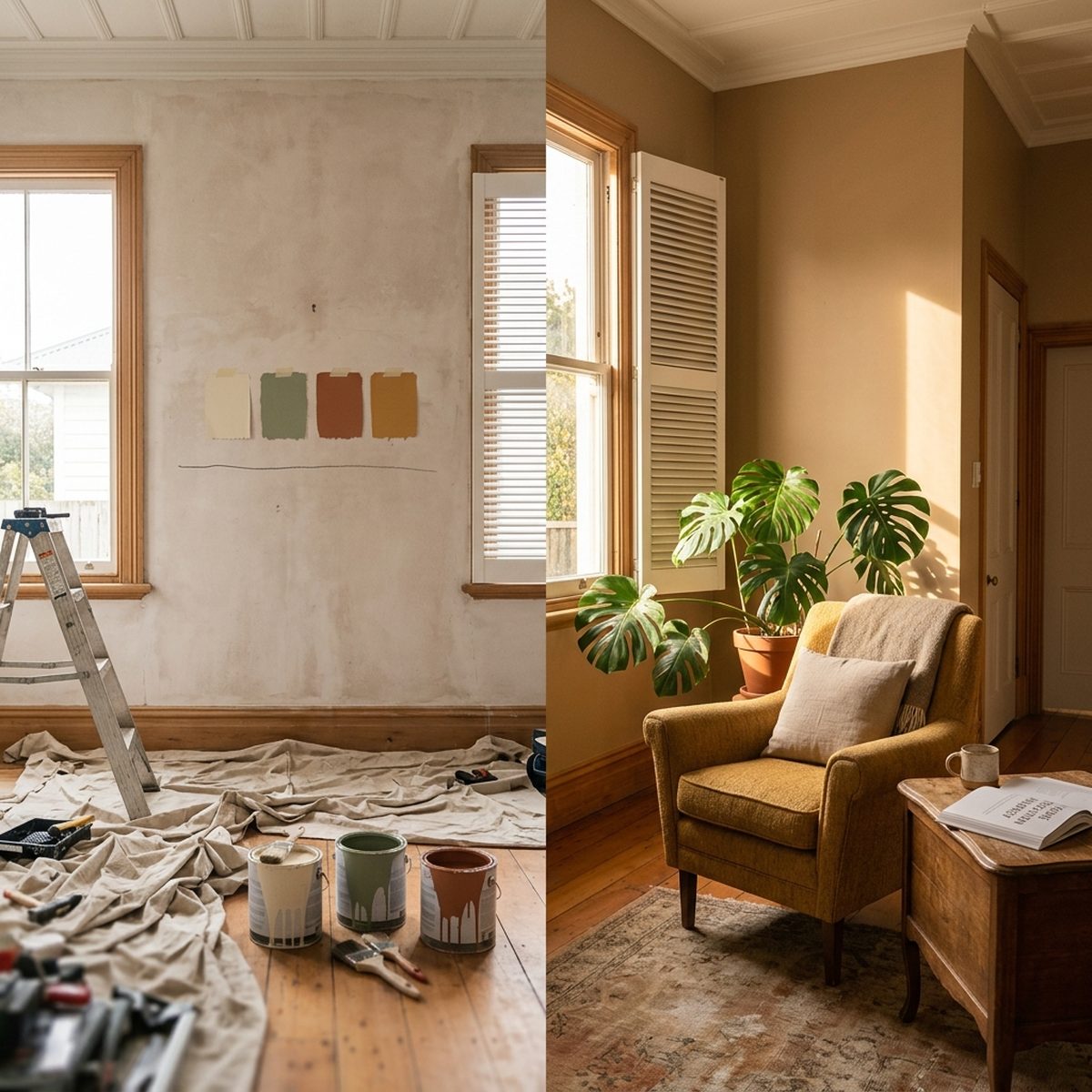
This year’s narratives move beyond simple before-and-after photos. They document a shift in mindset. Students aren’t just learning about colour theory or furniture placement. They are engaging in a deep process to uncover their core design identity, often called their ‘Design DNA’. This foundational work changes everything. It turns subjective, overwhelming choices into confident, aligned decisions. The results speak for themselves in saved budgets, reduced stress, and homes that feel authentically ‘them’.
These modern student project showcases highlight a critical truth. Successful design starts with understanding the person who lives there. When you begin with that clarity, every subsequent choice, from paint to plaster, has a clear ‘why’. This is the antithesis of the trend-chasing that leaves 75.4% of homemakers dissatisfied, according to a 2025 survey by the New Zealand Home Institute. The online course testimonials 2026 we see now consistently praise this outcome: an end to doubt and the start of genuine creative confidence.

From Overwhelmed to Owner: Sarah’s Kitchen Revolution
Sarah from Wellington approached her kitchen renovation with a folder full of contradictory Pinterest images. “I loved farmhouse charm but also sleek minimalism,” she recalls. “I was paralysed, scared of spending money on a look I’d tire of.” Her breakthrough came not from a contractor, but from a design certification success path focused on self-discovery.
By working through modules that helped her identify her core values, she realised her true driver was ‘warm, organised connection’. The farmhouse aesthetic represented warmth, while the minimalist leanings spoke to her need for order. Her final design blended Shaker-style cabinetry with clean, handle-less drawers and a central sociable island. “The course didn’t design my kitchen,” Sarah says. “It gave me the vocabulary and confidence to direct my architect effectively. I saved thousands by avoiding indecision and change orders.”
Measuring Success Beyond Aesthetics
For Sarah and many others, the tangible outcomes are quantifiable. We can see them in the client project case studies that track more than just beauty. A useful way to understand the impact is to look at the common results reported by graduates.
| Area of Impact | Before the Course | After the Course |
|---|---|---|
| Decision Confidence | High anxiety, reliance on others’ opinions | Clear, confident personal direction |
| Budget Management | Fear of unexpected costs and rework | Focused spending, reduced change orders |
| Project Satisfaction | Worried about trendy or mismatched results | High satisfaction with personalised, timeless space |
| Communication with Pros | Vague briefs leading to misinterpretation | Precise, articulate design briefs |
Career Transition Stories: Michael’s Leap from IT to Interior Styling
Not all success stories are about DIY renovations. Michael in Christchurch used his course experience as a springboard for a major career transition story. After two decades in IT, he longed for a creative career. He enrolled to finally understand his own chaotic design preferences, but the process ignited a new passion. The structured method gave him a replicable framework he could share.
“The course demystified design psychology,” Michael explains. “It showed me that helping others find their style wasn’t about my taste, but about facilitating their discovery.” Armed with his certification and a powerful interior design graduate portfolio built around his own home transformation, he launched a part-time home styling consultancy. His unique selling point is helping tech professionals, who think analytically, unlock their creative side for their living spaces. His alumni achievements underscore how the course can be a catalyst for professional reinvention.

The Role of Community in Virtual Learning Outcomes
A key feature of modern online education is the shared journey. The virtual learning outcomes are significantly amplified by an active community. Students don’t learn in a vacuum. They participate in live group sessions, share breakthroughs in dedicated forums, and celebrate each other’s home styling transformations. This network provides moral support, constructive feedback, and a sense of accountability that pure self-study lacks.
One graduate noted, “Hearing others articulate their ‘Design DNA’ helped me refine my own. When I was stuck on a colour choice, posting my dilemma to the group yielded perspectives grounded in our shared methodology, not just random opinions.” This collaborative environment turns an online course from a transaction into a transformational experience. You can learn more about this supportive framework in our guide to the home design course community.
Building a Portfolio of Confidence: Jen’s Whole-House Journey
For some, the journey isn’t about a single room. Jen, a busy professional in Auckland, felt her entire house was a collection of hand-me-downs and impulsive purchases. She lacked a cohesive vision. Embarking on the course, she treated each module as a step toward a whole-home strategy. Over twelve months, she methodically applied her clarified Design DNA to her living room, bedroom, and home office.
The result is a home that flows from one space to another, telling a consistent story about her love for relaxed, textural, and light-filled environments. “I didn’t do it all at once, which saved my budget,” Jen says. “But because I had my core style blueprint, every purchase I made for two years contributed to the final vision. Nothing was wasted.” Her story is a testament to the power of a strong foundation, a principle explored in depth when you discover your unique design dna.
These accredited program results demonstrate that the greatest return on investment is often the confidence to trust your own judgement. This eliminates the second-guessing that plagues so many projects and leads directly to the statistic the industry knows too well: nearly 30% of renovation budgets lost to rework. For example, a 2026 report by Builderscrack found that projects with a detailed client design brief upfront saw rework costs drop by an average of 65%.

Your Pathway to a Success Story of Your Own
The common denominator in every 2026 success story is the decision to invest in clarity before construction. It’s the strategic pause that prevents the expensive, stressful missteps. These homeowners and career-changers didn’t just learn about design. They learned about themselves, and then they applied that knowledge with purpose.
Their achievements prove that with the right framework and support, you can move from anxious and uncertain to confident and decisive. The space you create will be a true reflection of you, not a fleeting trend. This personalised approach is the core of a meaningful personalised home transformation.
If the idea of completing your project with certainty, rather than crossing your fingers, resonates with you, then your next step is clear. Explore the process that has generated these results. Begin by understanding the value of doing a course before starting a renovation. Your own success story starts with a single, deliberate decision to understand what you really want from the home you live in.
Frequently asked questions
What do people achieve after taking a home design course?
Graduates typically gain deep clarity on their personal design style, often called their Design DNA. This leads to confident decision-making, reduced renovation rework, and the ability to communicate their vision effectively to professionals or execute DIY projects with purpose. Many also experience a significant boost in satisfaction with their finished spaces.
Are online design courses effective for complete beginners?
Yes, the most effective courses are designed for beginners. They avoid complex industry jargon and focus instead on guiding you through a process of self-discovery. You learn to identify your authentic preferences, values, and lifestyle needs, which forms a foolproof foundation for any design project, regardless of your starting knowledge.
How long does it take to see results from a design personality course?
Clarity can begin to form within the first few weeks as you work through the core discovery modules. Full project results, of course, depend on the scale of your renovation or restyling. However, the crucial shift in mindset and confidence happens during the course itself, allowing you to plan and execute your project with new-found assurance.
Can this type of course help me work with an interior designer?
Absolutely. In fact, many design professionals appreciate clients who have done this groundwork. Arriving with a clear, documented design personality allows for a more efficient and collaborative partnership. It ensures the designer’s expertise is directed toward bringing your clear vision to life, rather than guessing at your tastes.
What makes the 2026 course cohorts’ experiences unique?
The evolving focus is on holistic transformation, not just technical skills. Success stories from 2026 heavily emphasise the emotional and financial benefits of upfront clarity. With stronger virtual communities and refined teaching methods, students report faster breakthroughs in confidence and more support throughout their entire design journey.