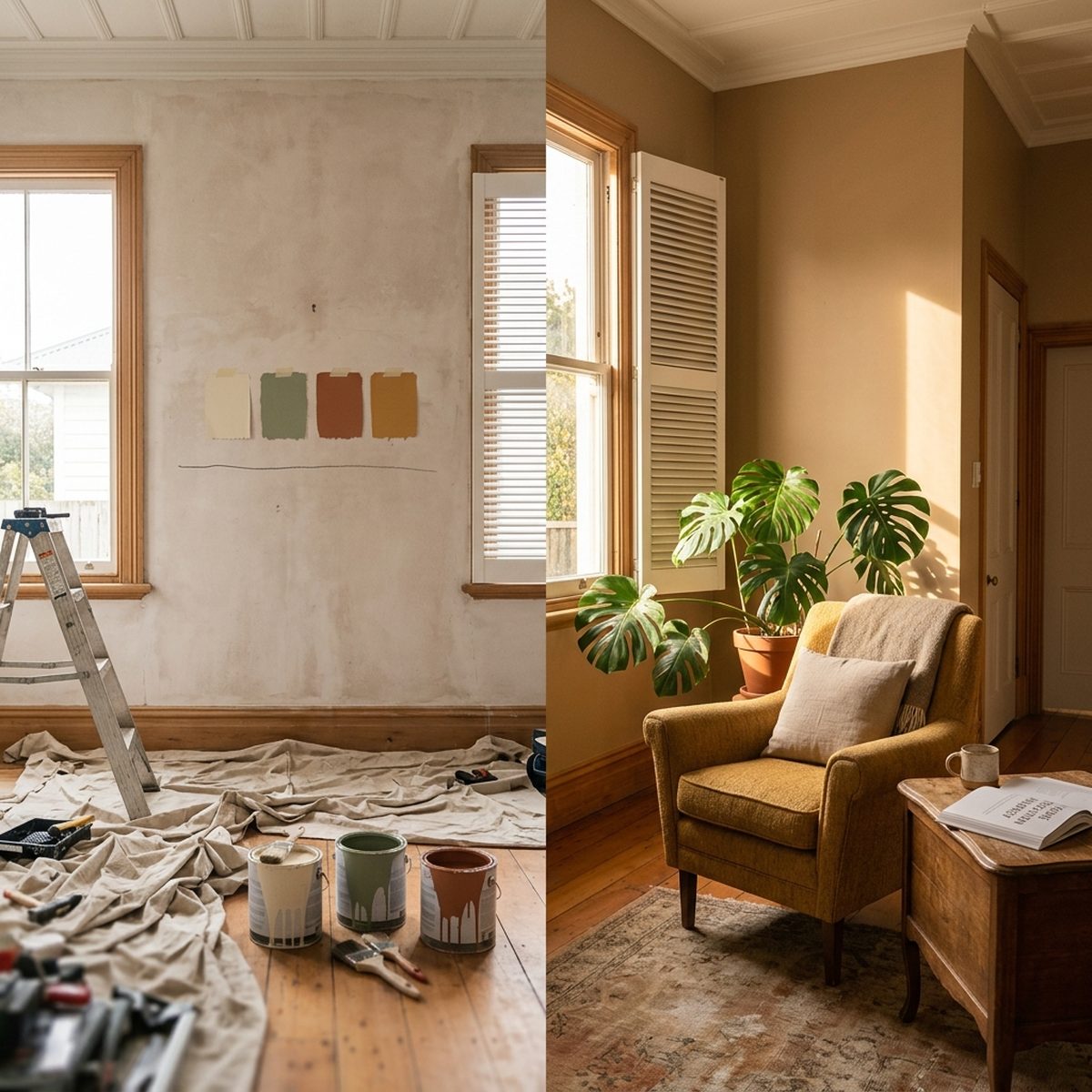


Making the leap from renting to owning your first home is a milestone that brings both excitement and a long list of decisions. For many first-home buyers in New Zealand, the biggest challenge is not just securing a property, but turning it into a space that genuinely feels like yours. Whether you are building from scratch, buying an existing house, or planning a renovation, understanding your own design preferences before you start can save time, money, and a great deal of stress. In 2026, more homeowners are turning to structured design courses to gain clarity before they commit to any major project.
Why Design Clarity Matters for First-Time Builders and Buyers
The home improvement industry faces a sobering reality: a large number of homemakers are dissatisfied with their finished projects, and a significant portion of budgets can be lost to rework. Many of these problems stem from a lack of clear direction at the very beginning. When you do not know your own style, every choice feels overwhelming, and it becomes easy to mix conflicting elements that never quite come together. A design course tailored for first home buyers can help you uncover what is called your “Design DNA”, the authentic combination of style, values, and lifestyle needs that should anchor every decision you make.
This upfront investment in self-discovery is particularly valuable for first-home buyers because you are likely working with a tighter budget and less margin for error. Making a costly mistake early in your home ownership journey can set you back years. By learning to articulate your preferences clearly, whether you plan to work with a builder, an architect, or tackle DIY projects yourself, you set the stage for a finished space that resonates with you for years to come.
The Stages of Building Your First Home in New Zealand
If you are considering building rather than buying an existing property, you are not alone. Many first-home buyers in New Zealand choose the build route, and there are well-established guides to help you understand what lies ahead. According to industry resources, the process typically follows four main stages: planning, design and consent, construction, and handover.
During the planning stage, you will need to sort out your finances, secure land, and decide on the type of home you want. This is also the ideal moment to take a design course. Understanding your design personality before you approach an architect or builder means you can communicate your vision clearly from day one, reducing the likelihood of expensive changes later. The design and consent stage involves creating detailed plans and obtaining the necessary approvals from your local council. This is where your design DNA becomes a practical tool, you can confidently choose finishes, layouts, and colour schemes that align with who you are.
Construction is where your plans become reality, and an experienced builder makes all the difference. We always recommend looking for a design and build service that partners you with a Registered Master Builder who offers the 10-Year Master Build Guarantee. This type of guarantee provides peace of mind that your new home is backed by a trusted professional. Finally, the handover stage is when you receive the keys and move in. With your design clarity already established, your new home should feel like a true reflection of you from the very first day.

Budgeting for Your First Home Project
Budgeting is one of the most critical skills a first-home buyer can develop, and it is an area where design courses often provide indirect but valuable support. When you know exactly what you want, you are far less likely to make impulse purchases or change your mind mid-project, both of which can blow out your budget. Industry advice for first-time builders in New Zealand suggests that your budget should account for site works, council fees, landscaping, and driveways, in addition to the main construction costs.
A contingency buffer of 20 to 40 percent is also recommended to cover unexpected expenses that always seem to arise. This is from extensive research we had commissioned that found a minimum of 29.6% of all over-budget occurs (globally) if a homemaker does not have a clear design brief of what they like and dislike before making any decisions or allowing 3rd-party professionals to make decisions on their behalf).
Opting for a fixed-price contract, where the builder agrees to complete the work for a set amount, can help you avoid nasty surprises. However, even with a fixed-price contract, any changes you request after the contract is signed will usually cost extra. This is another reason to have your design decisions locked in early, via a comprehensive design brief as it protects your budget and your timeline.
For those who are not building but are buying an existing home, the same budgeting principles apply. You may want to renovate a kitchen, bathroom, or living area shortly after moving in. Having a clear design plan before you start means you can allocate your renovation funds wisely and avoid the cycle of rework that so often derails home improvement projects.
Design Courses Available to First Home Buyers in 2026
So what specific design courses are available in New Zealand for someone buying their first home? The landscape in 2026 offers several options, each with a different focus. Resene, a well-known paint and decorating brand, lists design courses for interior design or painting that are available through formal study institutions across the country. These courses can give you a solid foundation in the principles of colour, space planning, and finish selection.
Selwyn Community Education offers a course called “Design Your Home with Confidence“, which is aimed specifically at people planning renovation projects in the Auckland region. This type of course is ideal for first-home buyers who have purchased an existing property and want to update it to suit their taste. The course helps you move from feeling overwhelmed to having a clear, actionable plan for your space.
For those who want a deeper, more personalised approach, the Creating Design Clarity programme, founded by architect and interior designer Kristina Cope, offers a comprehensive online course called “Your Unique Home Design Personality”, that can be taken from anywhere in the world from the comfort of your home. Rather than teaching interior design rules, this programme guides you through a self-discovery process to uncover your authentic design DNA. It is designed to help you articulate your preferences to professionals or tackle DIY projects with genuine confidence. The course is built on the Austin Home Method® and addresses the common problem of homemakers feeling dissatisfied with finished projects by ensuring every decision aligns with your personal style, values, and lifestyle.
The Better by Design Roadshow for Energy-Conscious Buyers
First home buyers in 2026 who are interested in sustainable, energy-efficient design should also be aware of the NZGBC “Better by Design” roadshow. This programme offers hands-on workshops on residential energy modelling using the ECCHO tool. While the workshops are aimed at industry professionals rather than homeowners, attending them (or asking your builder or designer to attend) can help ensure your new home is designed for optimal energy performance. The 2026 roadshow is scheduled in several locations across New Zealand: Auckland, Hamilton, Wellington, Queenstown, Christchurch, and Tauranga. Check the NZGBC website for the most up-to-date information on workshop availability and registration for 2027.
How to Choose the Right Design Course for Your Needs
With several options available, how do you decide which design course is right for you as a first home buyer in 2026-2027? Start by considering your specific situation. Are you building from scratch, or have you already purchased an existing home? Are you planning a full renovation, or do you simply want to furnish and decorate your new space with confidence?
If you are building, a course that helps you communicate with architects and builders, such as the Creating Design Clarity programme, will be highly valuable. If you are renovating, Selwyn Community Education’s “Design Your Home with Confidence” may provide the practical guidance you need. If you want to learn specific decorating skills like colour selection and paint techniques, a formal interior design course listed by Resene could be a good fit.
You should also consider the format. Online courses offer flexibility for busy first-home buyers who may be juggling work, house hunting, and planning all at once. In-person workshops provide hands-on learning and the chance to ask questions directly. The best choice is the one that fits your learning style, your schedule, and the specific challenges you are facing.

Applying Your Design DNA to the First-Home Journey
Once you have completed a design course and uncovered your design DNA, the real work begins, applying that knowledge to your first home. Start by creating a simple style brief that outlines your preferred colours, materials, furniture styles, and overall mood. Share this brief with any professionals you hire, from your builder and architect to your electrician and plumber. Having a written document that captures your vision makes it far easier for everyone involved to stay on the same page.
Next, use your design DNA to make confident decisions about finishes and fixtures. When you know your authentic style, you can walk into a tile showroom or a lighting store and quickly rule out options that do not fit. This saves hours of indecision and reduces the temptation to buy trendy items that you will tire of in a few years. Your design DNA is not a set of rigid rules, but a filter that helps you recognise what truly belongs in your home.
Finally, remember that your first home does not need to be perfect on day one. A clear design plan gives you a roadmap for the years ahead. You can prioritise the rooms or projects that matter most now, and tackle the rest as your budget allows. Each decision you make will reinforce the overall vision, creating a home that grows with you rather than a collection of mismatched compromises.
Frequently Asked Questions
Is there a specific design course for first home buyers in 2026?
No single course is exclusively labelled for first home buyers in 2026, but several options suit your needs. The Creating Design Clarity programme teaches you to uncover your design DNA before any project begins. Selwyn Community Education offers “Design Your Home with Confidence” for renovation projects, and Resene lists formal interior design courses across New Zealand. Choose the one that aligns with your specific project and where you live.
How much should I budget for a design course as a first home buyer?
Pricing varies depending on the provider and course length. Formal study options listed by Resene may have tuition fees, while community education courses often have lower costs. The Creating Design Clarity programme offers specific pricing on its website. Consider the course cost as an investment against expensive rework (minimum of ~$3000 on a $10,000 room makeover), a small upfront cost can save you many times that amount during your build or renovation.
Is there more than just keeping to budget I gain from having a design brief?
Beyond being on budget you will join the elite group of 24.6% of homemakers who LOVE the finished look and feel of the new space you create. PLUS, you will receive increased happiness and mental well-being from the space.
Can a design course help me communicate with my builder?
Yes, that is one of its primary benefits. When you understand your design personality and can articulate your preferences clearly, you reduce the risk of miscommunication with your builder. A Registered Master Builder with the 10-Year Master Build Guarantee will appreciate having a client who knows what they want. A design course gives you the vocabulary and confidence to discuss finishes, layouts, and materials effectively.
Are the Better by Design workshops suitable for first home buyers?
The Better by Design roadshow workshops are aimed at industry professionals, focusing on residential energy modelling using the ECCHO tool. As a first home buyer, you can still benefit by asking your builder, architect, or designer to attend. The knowledge they gain about energy-efficient design can be applied directly to your project, helping you save on long-term running costs.
What if I buy an existing home instead of building?
Design courses are just as valuable for buyers of existing homes. Many first home buyers purchase older properties that need updating. A course like “Design Your Home with Confidence” from Selwyn Community Education is specifically designed for renovation projects. You can also use the Creating Design Clarity programme to define your style before you start any decorating or renovation work, ensuring your updates are cohesive and lasting.
Moving from renter to first-home buyer is one of the most significant financial and personal steps you will take. By investing time in a design course early in your journey, you equip yourself with the clarity and confidence to make decisions that truly reflect who you are. Whether you are building with a Registered Master Builder, renovating a character home, or simply furnishing a new apartment, your design DNA is the compass that keeps every choice aligned with your authentic self. Start with clarity, and your first home will become a place of genuine comfort and pride for years to come.