

Do you and your partner argue over paint swatches or sofa styles? This year, the goal for many renovating couples is not just a new look, but true design style alignment. It’s a process that merges two individual tastes into one cohesive home vision.
Without alignment, home projects stall, budgets inflate, and rooms feel disjointed. The good news is that achieving harmony is a skill you can learn. This guide outlines a clear method for collaborative design planning in 2026.
Why Couples Design Style Alignment Matters Now
Our homes have never been more important. They are our offices, our retreats, and our shared sanctuaries. A home that reflects only one person’s taste can leave the other feeling like a guest. True comfort comes from mutual style vision.
This is the core of relationship-based home decor. It moves past compromise, where both parties lose a little, to collaboration, where you create something new together. The result is a space that supports your relationship, not just your furniture.
This year, trends point towards personalised, meaningful spaces over fleeting fads. Your home’s story is your own. Building it together from the start prevents costly rework and emotional friction later. Getting it right saves more than money. It saves your peace of mind.
The First Step: Uncover Your Shared Aesthetic Preferences
You might love minimalist lines while your partner prefers cozy, collected spaces. This difference isn’t a roadblock. It’s your starting point. The key is to identify the why behind your preferences.
Start by creating individual inspiration boards. Use a tool like Pinterest or a simple folder of saved images. Do this separately. Look for patterns. Do you both gravitate towards natural light? Are you drawn to similar colour families or textures?
Next, compare your boards. Look for common ground you didn’t see before. You may find your love of minimalism is really about calm, while your partner’s cozy style is about comfort. Your shared aesthetic preference could be a “calm and comfortable” theme. This shared language is your foundation.
A structured approach makes this discovery phase easier. Consider a guided method like the one in Craft Your Home: Design Personality Course. It helps you articulate your individual design DNA, making the conversation about your combined vision much clearer.
Building a Collaborative Design Planning Process
With a shared direction, you need a system. Good collaboration needs rules and roles. Assign tasks based on strengths. One person might research contractors, while the other manages the budget spreadsheet.
Schedule regular, short design meetings. Keep them positive. Come prepared with a few options, not absolute demands. For example, “I found three blue paints that might work with our palette. Which one feels right to you?” This fosters partner design harmony.
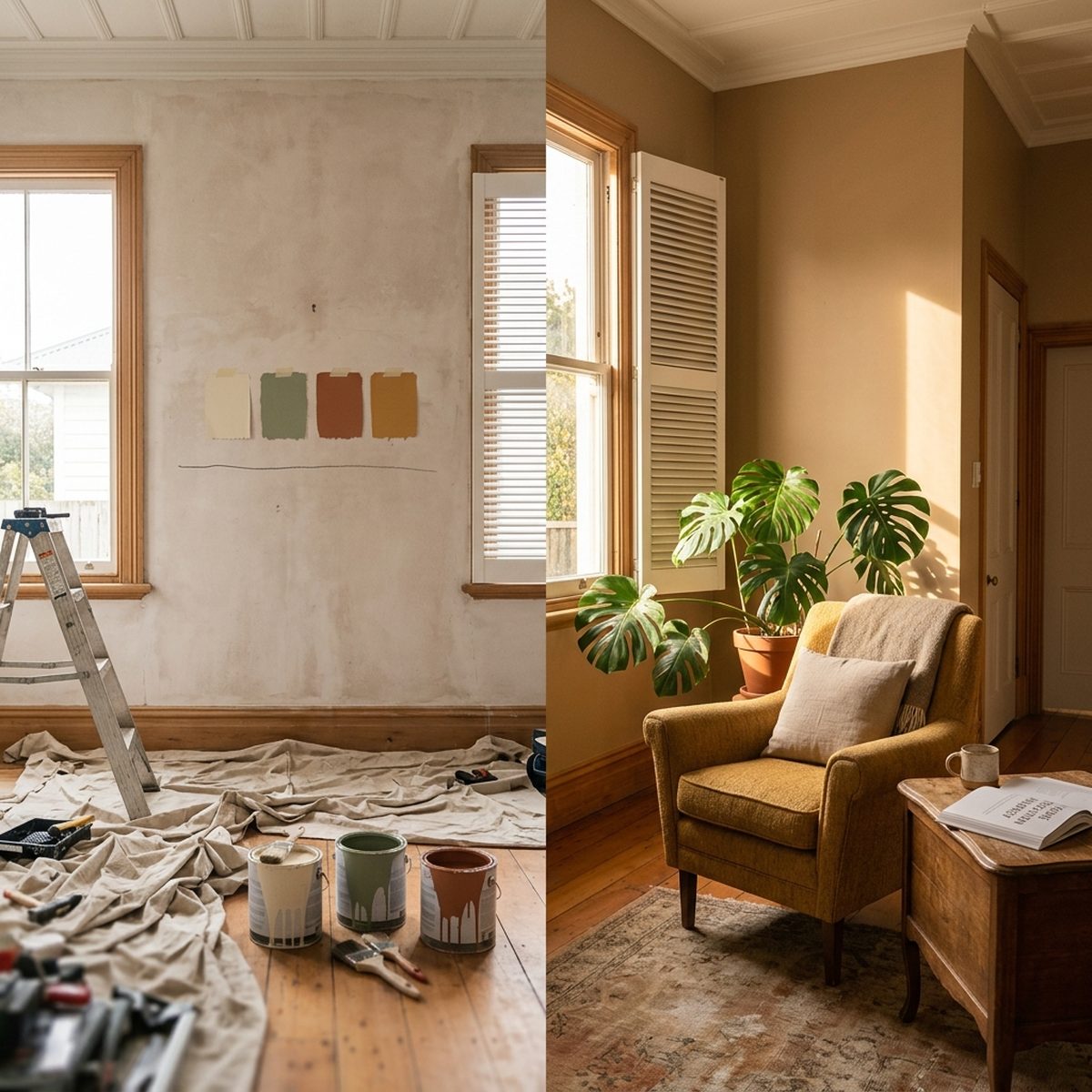
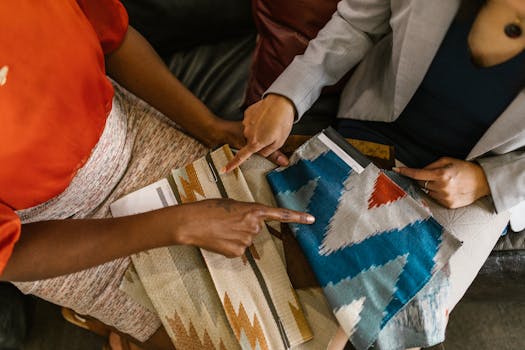
Use physical samples whenever possible. A small paint swatch on the wall looks different than on a screen. Feel fabrics, place tile samples together. This tangible step is crucial for home decor synchronization. Seeing and touching materials together builds a unified vision.
Remember, the process is a project. Treat it like one. Agree on a budget and a rough timeline before you fall in love with a pricey light fixture. This practical framework keeps the dream grounded and achievable. For more on planning a renovation with confidence, see Should I Take An Online Course Before Starting My Next Renovation/Room Makeover?.
Creating Unified Living Spaces in 2026
What does a successfully aligned home look like? It tells a story about both people. It might mix a sleek, modern sofa with a collection of vintage lamps. It could pair bold, contemporary art with a traditional, well-loved rug.
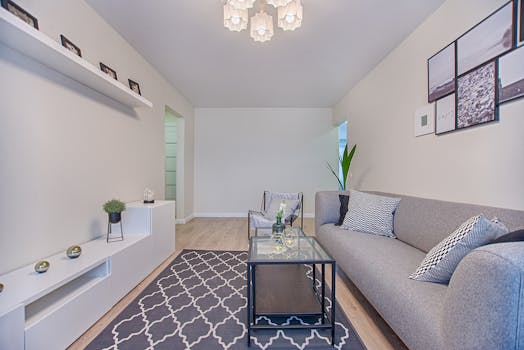
The 2026 approach leans into authenticity. It values character and personal history over perfect catalog shots. Think of your home as a layered collection of your lives. Your partner’s travel souvenirs can sit on a shelf you built. Your favorite books can fill a cabinet they restored.
This creates unified living spaces that feel whole. Every room has elements that speak to each person. This balance is the ultimate goal. It turns a house into a shared haven that genuinely reflects its inhabitants.
Many find that understanding their core design instincts is the missing piece. A resource like Design DNA Home Transformation: Your Unique Personality is built for this exact purpose. It gives you the vocabulary and confidence to blend your styles intentionally.
Navigating Differences to Achieve Design Compatibility
You will disagree. That’s normal. The strategy is to depersonalise the disagreement. Make it about the design problem, not about winning an argument.
When you hit a stalemate, go back to your shared “why.” Remind yourselves of the feeling you want the room to evoke. Often, two conflicting ideas can achieve the same feeling. If you disagree on a wall color, perhaps you can agree on the mood. Then find a colour that creates that mood for both of you.
Sometimes, you can “divide and conquer.” Give each person a space or an element to lead. One might design the home office, while the other takes the lead on the garden. This respects individual expression within the shared home.
Design compatibility trends for 2026 focus on flexibility and personality. Your home can evolve. Start with a neutral base you both love, then add layers of personality through easily changed items like art, pillows, and accessories. This lets tastes change without a full renovation.
Your Next Move Towards a Harmonious Home
Couples design style alignment is an ongoing conversation. It starts before you pick up a hammer or buy a single sample. It begins with understanding yourself and your partner on a design level.
This investment of time upfront pays back tenfold. It saves money by preventing expensive mistakes. It saves your relationship from the strain of a stressful project. Most importantly, it builds a home you both genuinely love to live in.
The fastest way to gain this clarity is with a proven framework. Explore a course designed to guide couples through this exact process. Learn how to define your shared vision and execute it with confidence. Visit Unlock Your Dream Home: Join Our Design Personality Course to start building your aligned future home together.